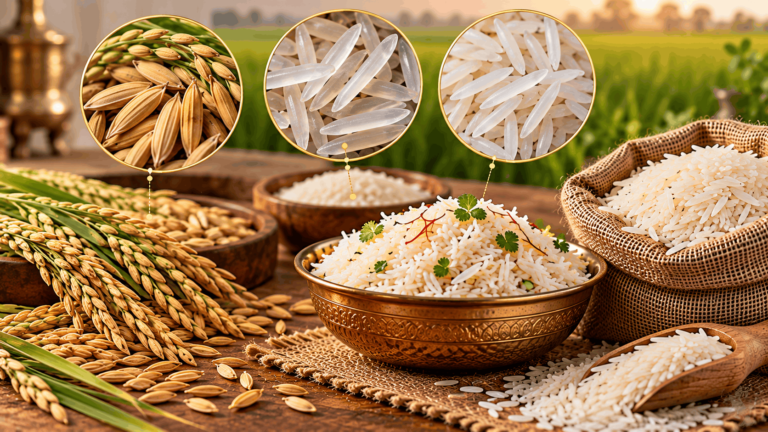
If you’ve spent any time browsing basmati rice options for your kitchen or business, you’ve likely come across the term 1121 Golden Sella Basmati Rice. This variety has earned a loyal following among home cooks and restaurant owners alike, thanks to its distinct golden hue, extra-long grains, and ability to hold up well during cooking. But what exactly makes it different from other types of basmati rice, and why do so many people prefer it for dishes like biryani and pulao? This guide breaks down everything you need to know, from how it’s made to how it compares with other basmati varieties, so you can make an informed choice the next time you’re buying rice.
What Is 1121 Golden Sella Basmati Rice?
1121 Golden Sella Basmati Rice is a parboiled variety of the well-known 1121 basmati rice strain. The “golden sella” designation refers to the specific parboiling process used to treat the rice, which gives the grains their characteristic light golden colour before milling.
Unlike raw basmati rice, which is milled directly after harvesting, golden sella rice goes through a steaming and drying process first. This process changes the texture, colour, and cooking behaviour of the grain while helping to lock in nutrients that might otherwise be lost during milling.
The 1121 variety itself is prized for having some of the longest grains in the basmati family. When cooked, these grains can extend even further, which is one reason this rice is so popular for dishes where appearance and texture matter, such as biryani.
How Is Golden Sella Basmati Rice Made?
Understanding the parboiling process helps explain why golden sella rice behaves differently in the kitchen compared to raw or steam basmati rice.
The Parboiling Process
The process generally involves three main steps:
- Soaking: Raw paddy rice is soaked in water to allow moisture to penetrate the grain.
- Steaming: The soaked paddy is steamed under controlled conditions, which gelatinises the starch inside the grain.
- Drying: The steamed paddy is then dried before it goes through milling to remove the husk and bran layers.
This steaming step is what gives golden sella rice its pale golden-amber colour. It also makes the grains firmer, which helps them resist breaking during milling, transport, and cooking.
How This Differs From Steam Basmati Rice
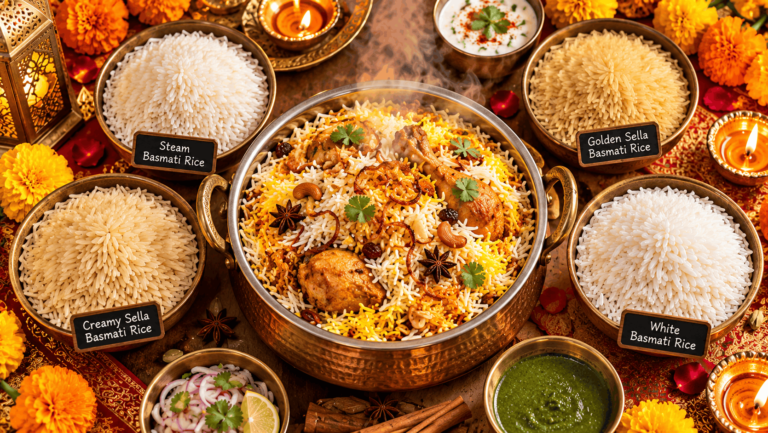
It’s worth noting that golden sella and plain steam basmati rice aren’t quite the same thing, even though both involve a form of steaming. Golden sella undergoes additional processing that produces that distinct golden tint, while 1121 Steam Basmati Rice is typically lighter in colour and processed slightly differently. Each has its own place depending on the dish you’re preparing.
Why Do Cooks Prefer Golden Sella Basmati Rice for Certain Dishes?
Not all basmati rice behaves the same way once it hits the pot, and that’s largely why golden sella has carved out its own niche.
Better Grain Separation
Because of the parboiling process, the starch structure in golden sella rice is more stable. This means the grains are less likely to clump together or turn mushy, which is particularly useful for dishes like biryani, pulao, and fried rice where distinct, separate grains are part of the appeal.
Greater Tolerance for Longer Cooking Times
Dishes like biryani often involve layering partially cooked rice with meat or vegetables and then slow-cooking everything together. Golden sella rice tends to tolerate this extended cooking time better than raw basmati, since the grains are less prone to breaking down or becoming overly soft.
Consistent Results for Bulk Cooking
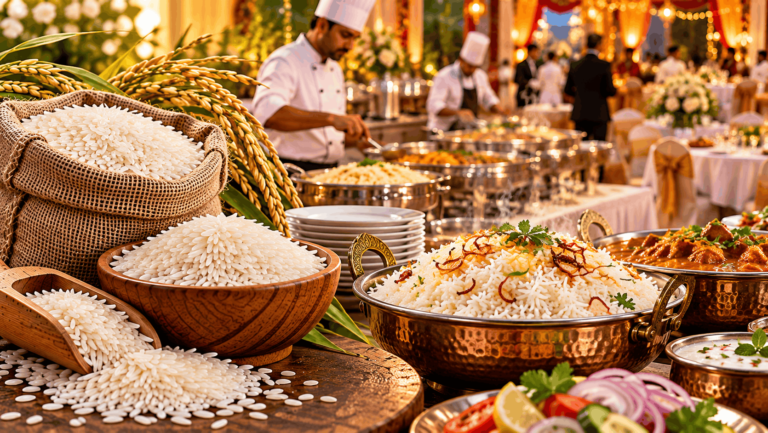
For restaurants, caterers, and anyone cooking rice in large quantities, consistency matters. Golden sella rice’s firmer texture makes it easier to achieve predictable results across large batches, which is one reason it’s a common choice among professional kitchens and a premium basmati rice supplier will often stock it as a staple offering.
Golden Sella vs. Other Basmati Rice Varieties
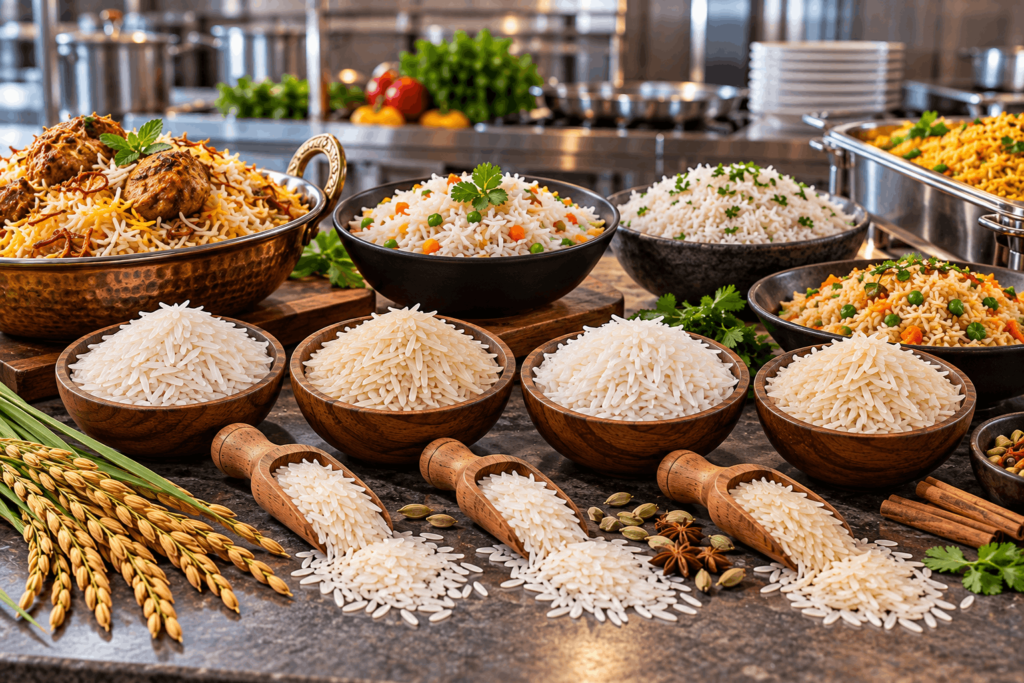
If you’re deciding between different basmati rice options, it helps to understand how golden sella compares to its counterparts.
Golden Sella vs. White Basmati Rice
1121 White Basmati Rice is the raw, unprocessed version of the same 1121 variety. It hasn’t gone through the parboiling process, so it retains its natural white colour and a slightly softer texture once cooked. White basmati is often preferred for dishes like plain steamed rice or simple pulao, where a softer bite is desirable. If you’re looking specifically for long grain white basmati rice for everyday cooking, this raw variety may suit your needs better than golden sella.
Golden Sella vs. Steam Basmati Rice
As mentioned earlier, steam basmati rice also undergoes a form of processing, but it doesn’t develop the same golden colour. Steam rice tends to have a slightly different texture and is often chosen for dishes where a lighter grain colour is preferred, while golden sella is favoured when a firmer bite and golden hue are desired.
Golden Sella vs. XXXL Basmati Rice
For those seeking even longer grains, XXXL Basmati Rice offers an extended grain length beyond standard 1121 varieties. This option is often selected for premium or export-quality dishes where grain length is a key visual and textural factor.
How to Cook 1121 Golden Sella Basmati Rice
Cooking golden sella rice is straightforward, though a few adjustments compared to raw basmati can help you get the best results.
- Rinse thoroughly: Wash the rice two to three times to remove surface starch.
- Soak before cooking: Soaking for 20–30 minutes helps the grains cook more evenly, though golden sella can also be cooked without soaking if time is limited.
- Use slightly more water: Because of its denser structure, golden sella rice may need a touch more water than raw basmati. A ratio of roughly 1:1.75 (rice to water) works well for most recipes.
- Allow for slightly longer cooking time: Expect cooking times to run a few minutes longer than raw basmati rice due to the parboiling process.
- Rest after cooking: Letting the rice sit covered for five to ten minutes after cooking helps the grains firm up and separate cleanly.
These small adjustments make a noticeable difference, particularly in dishes like biryani where texture is central to the final result.
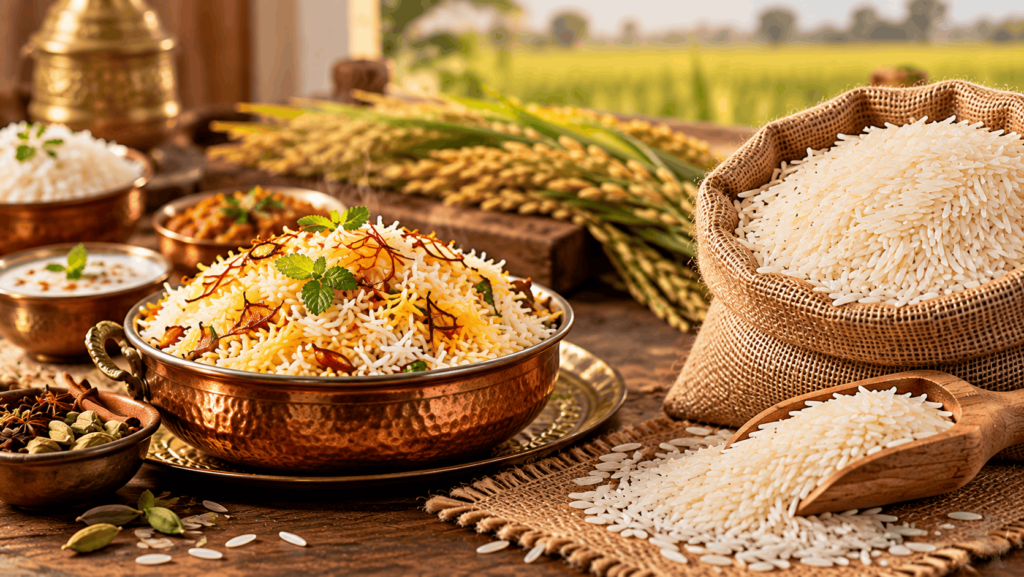
Common Uses for Golden Sella Basmati Rice
Golden sella rice is versatile enough to work across a range of cuisines and cooking styles, including:
- Biryani (chicken, mutton, or vegetable)
- Pulao and other one-pot rice dishes
- Fried rice preparations
- Catering and bulk meal preparation
- Export markets where grain appearance and consistency are valued
Because of its firm texture and ability to hold up during reheating, it’s also a practical choice for meal prepping or dishes served buffet-style.
Choosing the Right Basmati Rice for Your Needs
If you’re unsure which basmati variety suits your cooking style, it often comes down to the dish you’re preparing and the texture you prefer. Choose golden sella if you’re cooking dishes that require extended cooking times or need grains that hold their shape well. Opt for raw white basmati if you prefer a softer texture for simpler preparations. For those who want variety beyond the standard grain, options like Black Berry Basmati Rice offer a different flavour and colour profile worth exploring.
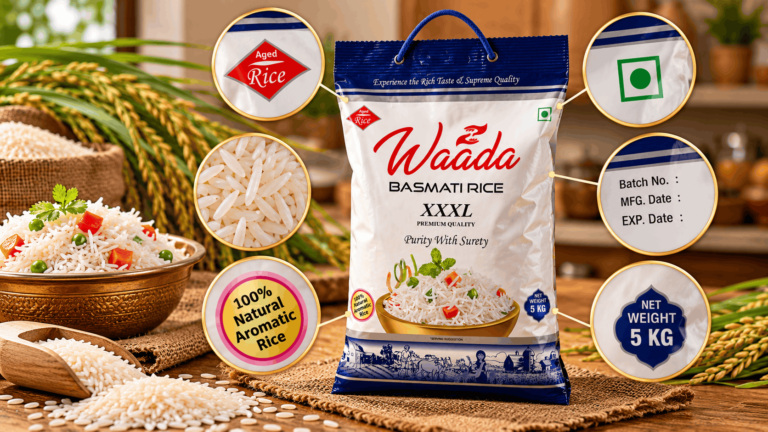
As a basmati rice manufacturer with decades of experience, Waada Basmati Rice offers a range of basmati varieties, including golden sella, to suit different cooking needs. You can browse the full lineup on the Basmati Rice Products page or get in touch through the Contact Us page if you have specific questions about sourcing rice for your kitchen or business.
Final Thoughts
1121 Golden Sella Basmati Rice stands out for its extra-long grains, golden colour, and firm texture after cooking, making it a dependable choice for biryani, pulao, and other rice-based dishes that need to hold their structure. Its parboiling process is what sets it apart from raw and steam basmati varieties, offering better grain separation and consistency, particularly for bulk cooking or extended cooking times. Whether you’re a home cook or run a commercial kitchen, understanding these differences can help you pick the right rice for the dish at hand. Waada Basmati Rice offers this variety among its range of basmati rice products for those looking to explore it further.