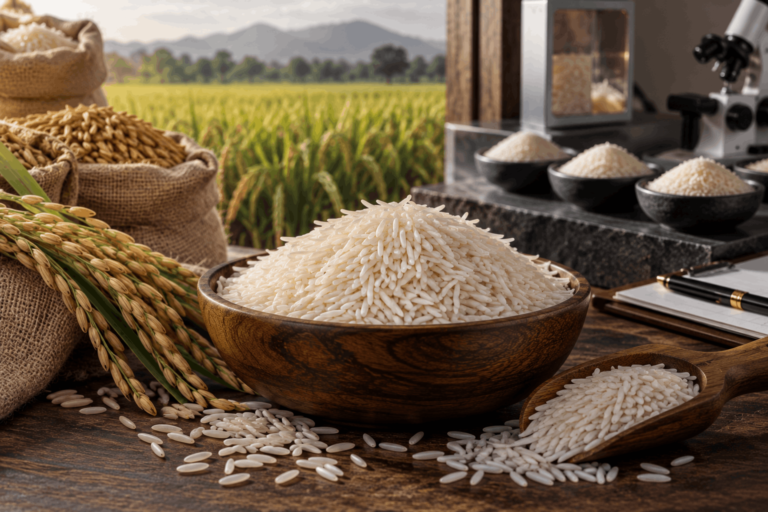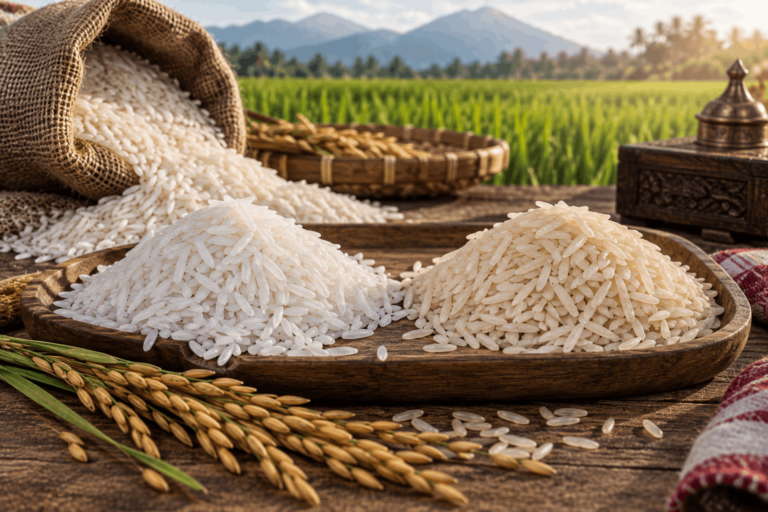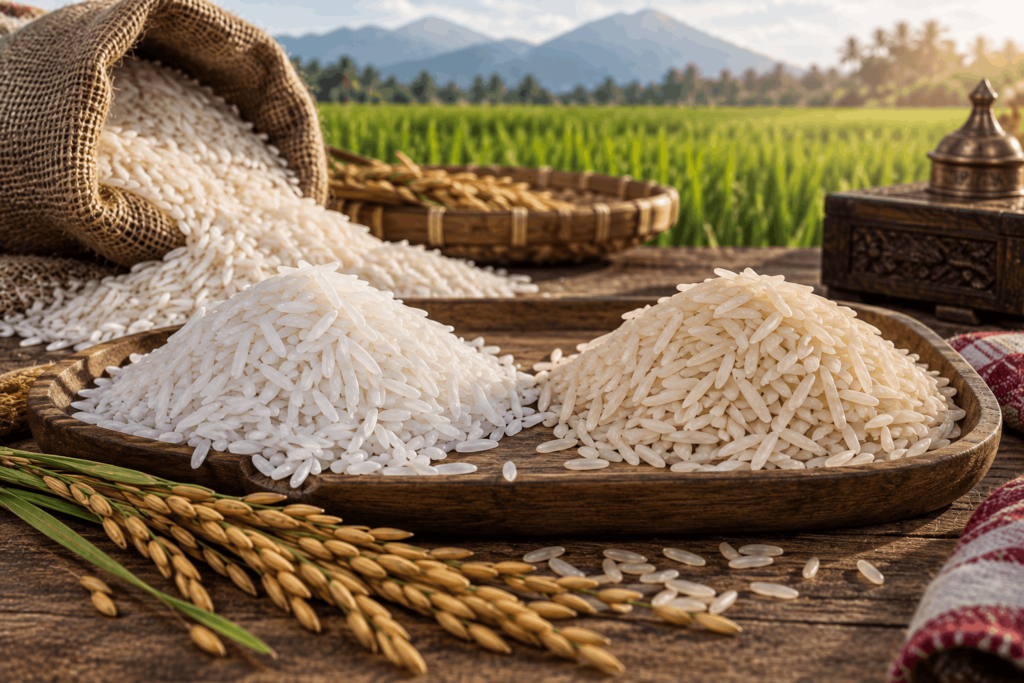
1121 Basmati Rice has long grains (up to 8.3mm) that provide a soft, mildly aromatic texture that is suitable for biryani and bulk export. Traditional Basmati Rice has short grains, a stronger aroma, and firmer texture, making it suitable for preparation of pulao and plain rice. Both varieties are available in White, Steam, Golden Sella, and Creamy Sella processing types from Waada Basmati Rice.
Choosing the right Rice between the two varieties that both say Basmati can be a real head-scratcher. If you have ever wondered why one Rice packet is priced higher or smells stronger or cooks lighter than others, ultimately it comes down to the variety. There are Traditional Basmati or 1121 Basmati varieties.
They are both official Basmati varieties from India, but in both the kitchen and the market, these varieties fulfill different roles. Be it at home, at a restaurant, or in the market for a bulk purchase as an international supplier sourcing from a Basmati Rice exporter of repute, understanding these distinctions is paramount for obtaining the right Rice for the right job.
What Is 1121 Basmati Rice?
1121 Basmati is a long grain rice which was first developed in the early 2000s. Its primary function is to look good as it can elongate up to four times its length when cooked. This provides a fine, elegant texture particularly suitable for presentation and gives the dish a light appearance.
This variety is highly cultivated in Punjab, Haryana, and many regions of Uttar Pradesh. Its popularity has made this variety one of the most exported varieties of basmati rice from India. It is appreciated by international buyers for its beautiful appearance and long-grain rice.
What Is Traditional Basmati Rice?
Traditional basmati rice is basmati rice of older generations such as Basmati 370 and Basmati 217, and it is cultivated in the foothills of the Himalayas. The unique aroma and flavor of the rice originate from the climate and Himalayan soil in this region.
Traditional Basmati grains are even shorter than 1121 grains and carry an intense fragrance. Many rice enthusiasts claim this variety is closest to authentic basmati before cross-bred varieties were introduced.
Comparing Grains
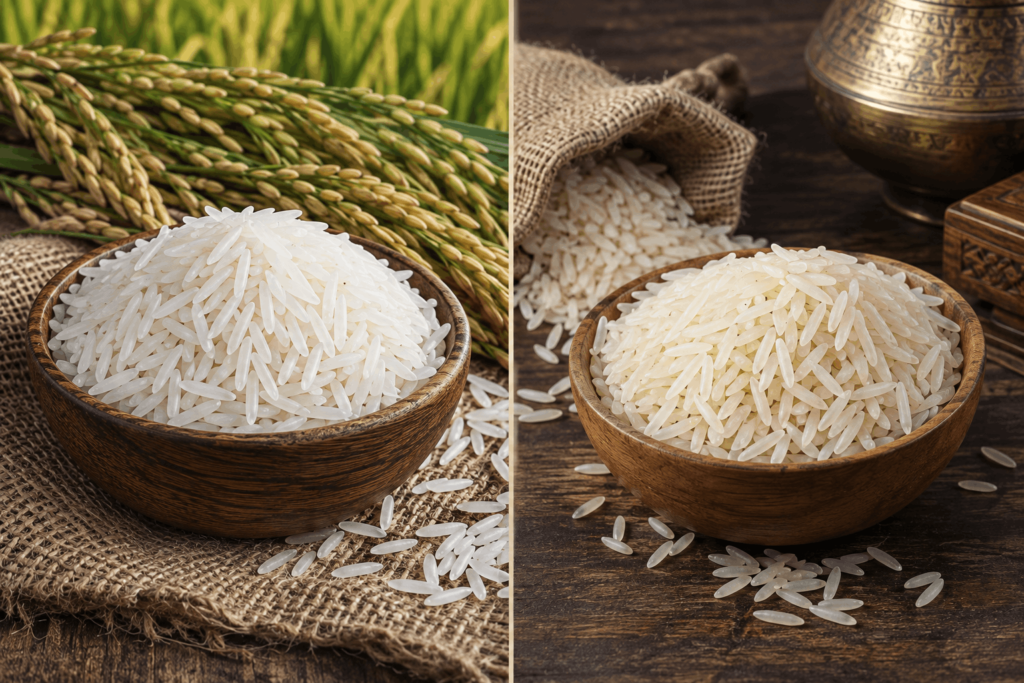
Traditional Basmati can easily be differentiated from 1121 grains by the length of the grains.
Prior to cooking, 1121 Basmati grains are around 8.2 to 8.3 mm and can expand even further when cooked. 1121 Basmati grains are appreciated in dishes where the grains must be evenly separated and long and impressive in appearance.
Traditional Basmati grains are shorter and are in the range of 6.5 to 7 mm. While short in comparison to 1121 grains, Traditional Basmati grains retain their flexibility when cooked and maintain their iconic appearance of long slender grains.
Aroma
The most appreciated attribute of traditional Basmati is its aroma. It is the most distinguishing feature for the discerning buyer of rice.
Traditional Basmati maintains a more natural and stronger aroma, and this is due in part to having a higher concentration of the compound 2-acetyl-1-pyrroline. This is the compound that gives Basmati rice its unique smell. Many chefs and home cooks choose this rice due to its aroma during the cooking process.
1121 Basmati rice has an even milder aroma when compared against the Traditional Basmati. In the reasoning for this, the subtler 1121 Basmati rice has even less of the aroma compound. This rice works well in dishes with a list of ingredients where there are a lot of competing aromas, like in the dish Biryani.
Texture After Cooking
The term used to describe the rice’s texture and how well it holds together in a dish is firmness.
1121 Basmati steams up soft and fluffy, with grains that fall apart upon separation. For this reason, it is favored over many other varieties in dishes like Biryani and Pulao, where the rice should be light and separable.
Traditional Basmati becomes even firmer when cooked and holds its shape well making it a solid choice for steamed rice, done simply without any side dish.
Which Rice Is Better for Biryani?
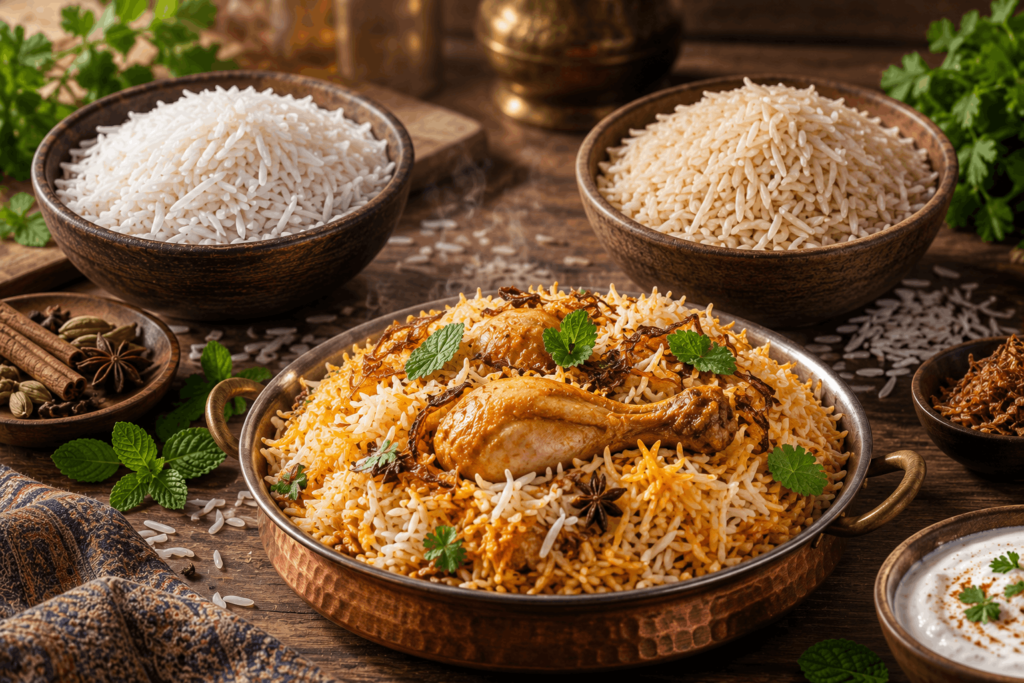
In general, it is true that 1121 Basmati is more ideal for Biryani. The most utilized variety among restaurants and catering for good reason, its long grains give a biryani a more appealing appearance, and its softness is ideal for absorbing all the flavors without getting mushy.
That being said, many regional varieties of Biryani that are more traditional lay a specific emphasis on Traditional Basmati’s stronger aroma and firm bite.
Which Basmati Rice Is Better for Everyday Cooking?
For everyday cooking, traditional Basmati tends to be the better option. While its firmer texture means it is better suited to being reheated, its delicate, subtle aroma means that even steamed rice can taste almost elegant. Traditional Basmati pairs well with lentils, curries, and other rice side dishes.
There is no reason 1121 Basmati can’t also be used for everyday cooking. Longer grain lengths and a somewhat softer texture are sometimes seen as “too fancy” rice and are best saved for special occasions.
If you were only going to pick one variety, which would you pick for exports?
1121 Basmati clearly wins the contest for most suitable variety for exports, as its long grain length, consistant quality, and aesthetic appeal are appealing to international buyers, especially those in the Middle East, Europe, and North America. Any basmati rice exporter will confirm that 1121 is the variety in greatest demand.
Traditional Basmati still has a strong presence in exports, especially among buyers in the Middle East, Europe, and North America who seek out its distinctive aroma, regardless of price. Traditional Basmati is more likely to appeal to buyers who are looking for a sensory experience over grain size.
Availability in Various Processing Methods
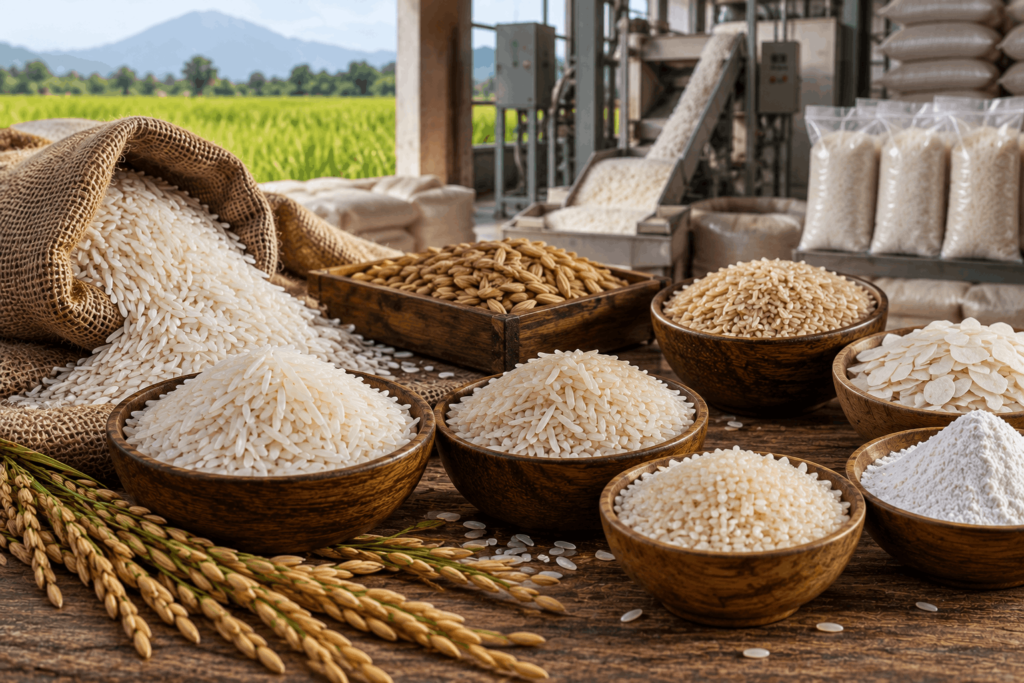
Because of multiple processing methods, both types of Basmati rice (1121 and Traditional) have options for buyers as per their preferred cooking method.
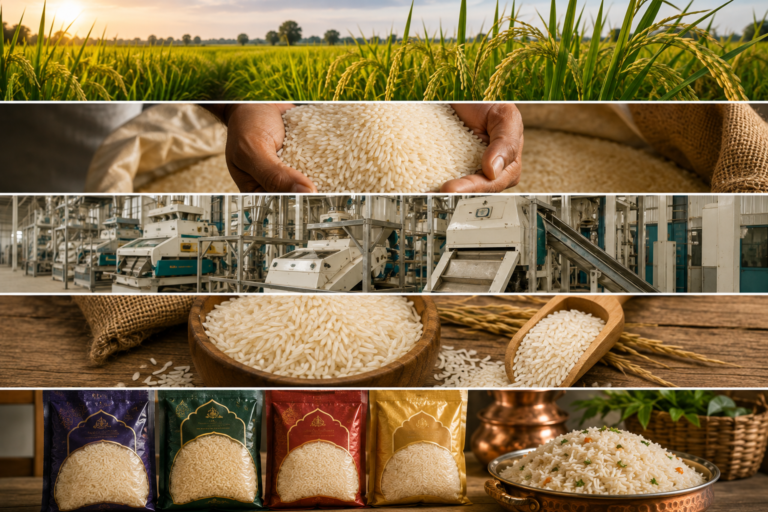
White Rice has been polished to give it a bright color. Steam Rice has a bright appearance as well, but is steamed prior to being milled, which allows the grains to remain firm and separate. Rice labeled Sella is parboiled. There are two types of Sella rice; Golden Sella has a firm texture that holds its shape well and is ideal for rice that will be cooked for a long time, and Creamy Sella is a lighter and has a more creamy color and texture and is in between in firmness when compared to either White Rice or Golden Sella.
Whether you choose 1121 Basmati or Traditional Basmati, the advantage of a reliable bulk Basmati rice supplier is that you can choose any of the four processing methods for your dish or as per your market demand.
Which One is Right for You?
The choice depends on what is important to you. If the focus is the visual appearance of the rice, especially for export or restaurant quality, then 1121 Basmati would be the better choice. However, for everyday use or dishes that rely on traditional preparations, Traditional Basmati is the better choice.
Stocking both is advantageous for retailers and restaurants as they can serve a greater diversity of their customers’ preferences and different kinds of dishes.
Finding a Reliable Basmati Rice Manufacturer
The quality of your rice depends on every stage of the process from seed to sale. While sourcing rice, look for manufacturers that maintain standards of rice quality, milling, and processing at all level of rice granularity. The best manufacturers of basmati rice would also be able to give you details and insights into the source of the rice.
Experience in handling both 1121 and Traditional Basmati would indicated a manufacturers ability to understand the unique nature of each variety of rice and its impact on growing and rice milling. This is important to both small buyers placing few orders and large buyers placing bulk orders.
Why Waada Basmati Rice?
Waada Basmati Rice has been making Indian basmati rice since 1952 and is considered one of the first. Waada Basmati Rice is able to sell you both 1121 and Traditional Basmati in a variety of processing types including White Rice, Steam Rice, Golden Sella Rice, and Creamy Sella Rice.
With this range, restaurants, retailers, consumers, and international buyers are able to buy basmati rice from one trusted manufacturer without worrying about quality or consistency of the rice.
Final Thoughts
There is an important difference between the two varieties of basmati rice. 1121 basmati is long and fluffy making it most suitable for biryani, while Traditional Basmati is more firm making it suitable for other everyday dishes.
Comprehending these distinctions aids you in making decisions when cooking for your family, running a restaurant, stocking a retail shelf, or placing an international order. Knowing these differences helps you make appropriate and informed decisions. You don’t want to make a wrong choice. Working with Waada Basmati Rice, the supplier of basmati rice, means you get quality basmati rice after being in operation for many years.