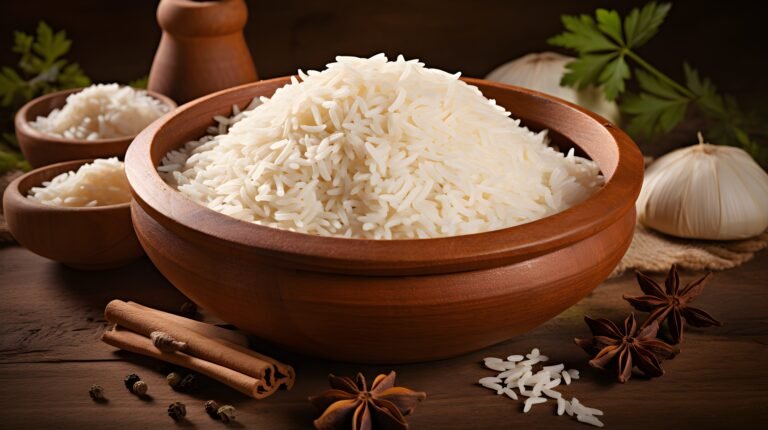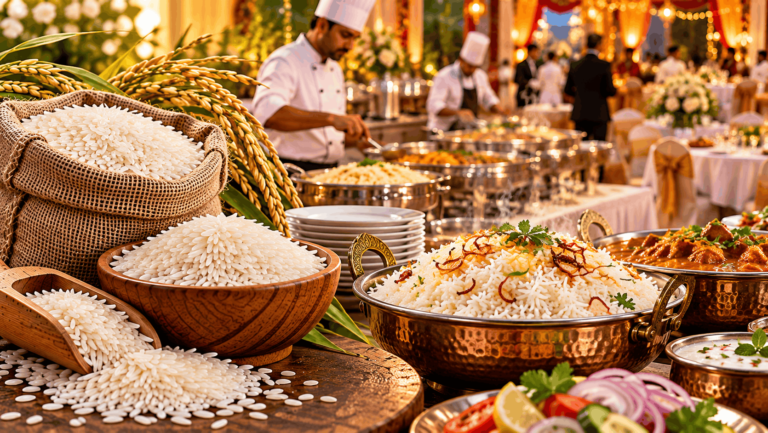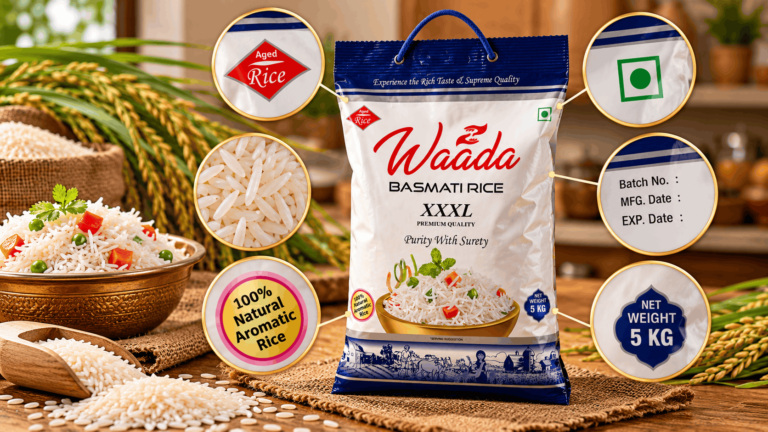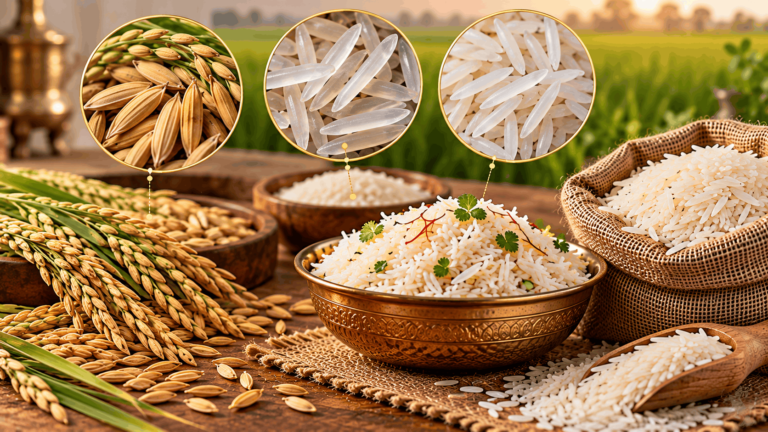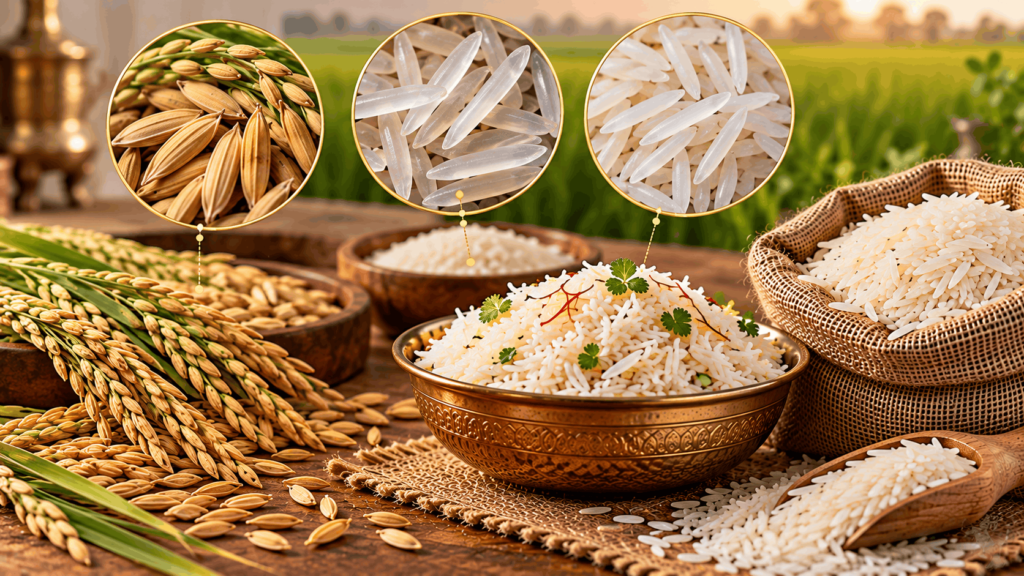
Basmati rice grain length and appearance are shaped by four core factors — genetic variety, growing conditions, ageing, and milling process. Long grain basmati rice develops its signature slender shape through proper paddy selection, controlled ageing of 12 months or more, and precise milling that preserves grain integrity without breakage.
Every grain of basmati rice tells a story before it ever reaches your plate. Genetics decide the starting point, but soil, climate, ageing, and processing shape the final result. For buyers sourcing long grain basmati rice, understanding these factors is not a technical curiosity — it is the difference between consistent, premium stock and rice that disappoints on the plate. This guide breaks down exactly what influences grain length and appearance, so you can make sourcing decisions grounded in fact, not guesswork.
What Role Does Genetics Play in Basmati Grain Length?
Grain length begins with the variety of paddy planted. Basmati rice is not a single crop — it includes several distinct varieties, each bred for specific grain characteristics. The 1121 variety, for instance, is prized for producing exceptionally long grains, often extending well beyond 8mm after milling. This genetic foundation is non-negotiable. No amount of processing can turn a short-grain paddy into a long grain basmati rice product.
Varieties like 1121 White Basmati Rice and 1121 Golden Sella Basmati Rice are built on this genetic advantage, giving buyers a reliable starting point for grain length before processing even begins.
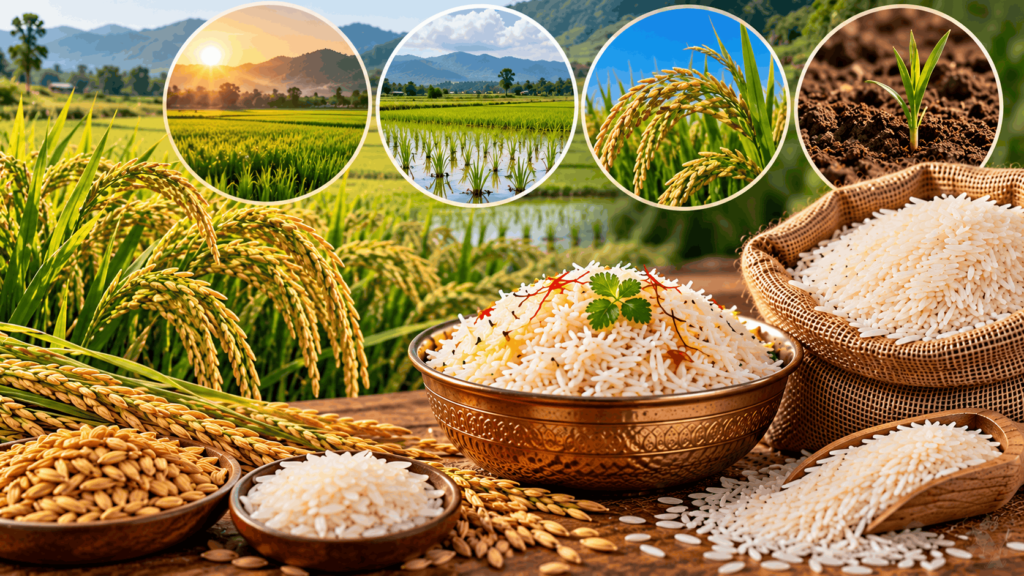
How Do Growing Conditions Affect Grain Appearance?
Soil composition, irrigation timing, and climate all leave their mark on a basmati grain. Paddy grown in the traditional basmati-growing belts of northern India benefits from specific soil and water conditions that support slender, well-formed grains. Inconsistent irrigation or poor soil management, by contrast, can produce grains that are shorter, chalkier, or uneven in shape.
This is why sourcing matters as much as variety. A brand that sources from established growing regions with proven agronomic practices is far more likely to deliver grains with consistent length and a clean, translucent appearance — free from the chalky white belly that signals poor-quality paddy.
Why Does Ageing Improve Grain Length and Texture?
Freshly harvested basmati paddy does not perform at its best. Ageing — typically 12 months or longer — reduces moisture content, strengthens the grain structure, and allows it to elongate further during cooking. This is one of the most overlooked factors in grain appearance. Rice that is milled and sold too quickly after harvest tends to break more easily and cook with a stickier texture.
Properly aged basmati rice, by contrast, develops the firm, separate grains that distinguish long grain basmati rice from ordinary rice. Buyers evaluating a premium basmati rice supplier should ask directly about ageing practices, since this detail is rarely visible on packaging alone.
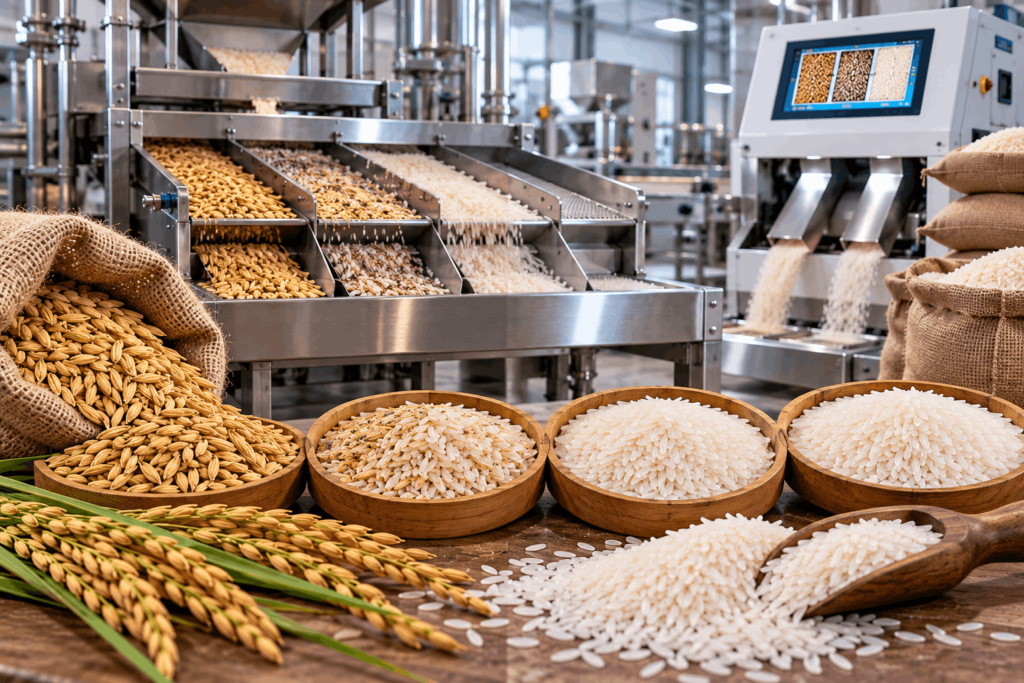
What Impact Does Processing Method Have on Grain Shape?
Processing decides how a grain looks and behaves once it reaches the kitchen. Raw, steamed, and sella (parboiled) rice each undergo different treatment, and each produces a visibly different grain.
- Raw basmati rice retains its natural white colour and slender shape, with grains that separate cleanly when cooked.
- Steamed basmati rice, such as 1121 Steam Basmati Rice, is treated before milling to strengthen the grain, helping it hold its shape during high-heat cooking methods like biryani preparation.
- Golden sella (parboiled) rice undergoes partial boiling before milling, locking in nutrients and producing a firmer, slightly golden grain that resists breakage.
Milling precision also matters. Over-polished rice can lose grain length through breakage, while careful milling preserves the full length the paddy was bred to produce. This is where varieties like Long Grain White Basmati Rice and XXXL Basmati Rice stand out — both are milled to protect grain integrity, delivering length and appearance that hold up from warehouse to plate.
Does Grain Colour Indicate Quality?
Colour is a secondary but useful indicator. Authentic basmati rice typically shows a translucent, slightly ivory tone rather than a dull chalky white. Specialty varieties, such as Black Berry Basmati Rice, carry naturally pigmented bran layers and should not be confused with quality defects — these are variety-specific traits, not processing flaws. For standard white or golden sella varieties, a chalky or broken appearance usually signals poor ageing or rough milling.
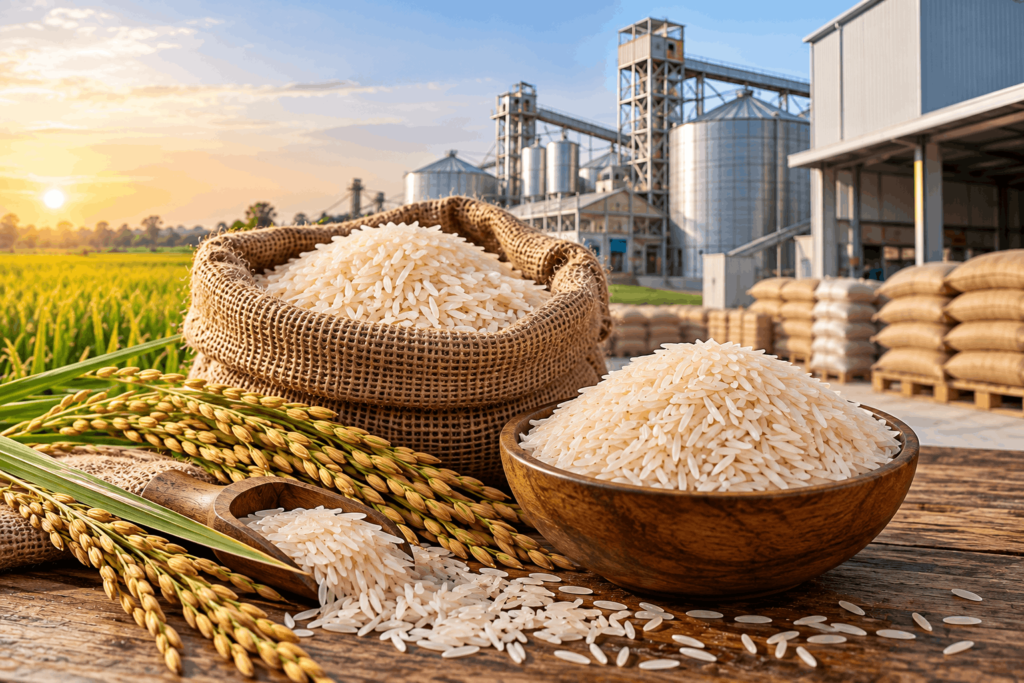
Choosing Rice Based on Grain Quality, Not Just Labels
Grain length and appearance are not accidents. They result from the paddy variety planted, the conditions it grew in, how long it was aged, and how carefully it was milled. Buyers who understand these factors are better equipped to choose rice that performs consistently, whether for household cooking, restaurant kitchens, or bulk retail orders. Waada applies this understanding across its full range, from long grain whites to golden sella and specialty varieties. Browse the complete basmati rice product range to compare options, or get in touch through Contact Us for guidance on choosing the right grain for your needs.