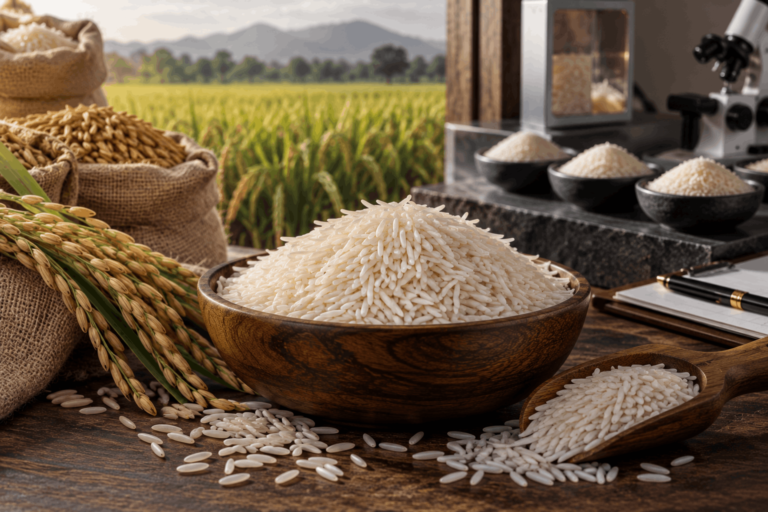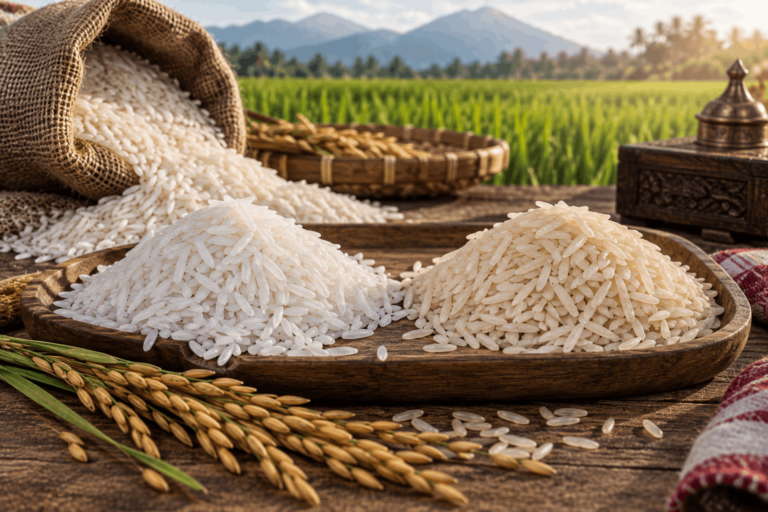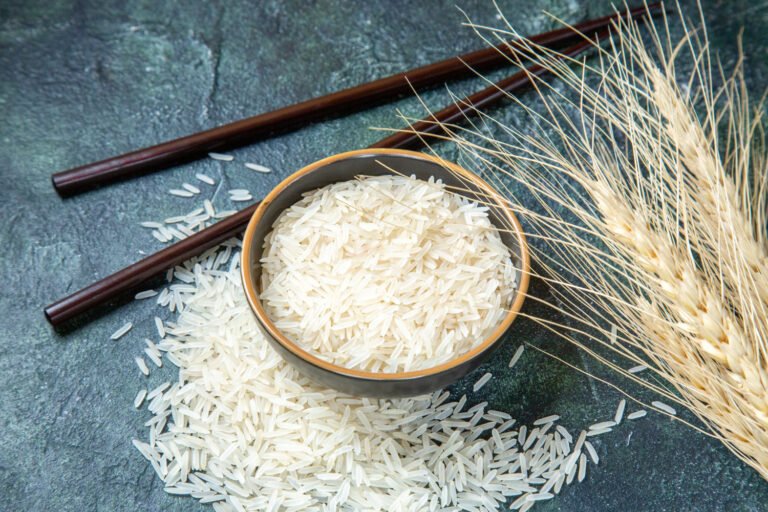
Premium basmati rice suppliers maintain consistency across every batch through careful selection of farms, quality seeds, controlled harvesting, optimal drying and storage methods, and robust methods of milling and packaging. Quality suppliers like Waada, founded in 1952, uphold this consistency across every step of the supply chain, resulting in rice that is the same from the last grain to the first in each shipment.
Opening two packets of rice after a 6 month interval and finding it inconsistent in appearance, smell, and consistency of cooking, might seem like a clearly logical expectation, but it is much more difficult to implement in practice.
Consistency sets trust for every reputable rice brand. A restaurant catering to a biryani order, a grocery store fulfilling repeated requests, and a household cooking pulao for Sundays, depend on the grain behaving in a predictable way; of the same length, same aroma, same texture every time. With broken consistency, brands lose customer loyalty.
This is where superiority of process distinguishes the best from the rest. Waada Basmati Rice, a third-generation rice brand founded in 1952, has developed over many decades how each grain is delivered from a paddy field to a sealed pack. This article will detail the various procedures that a premium basmati rice supplier must undertake to deliver this consistency and why it is crucial in a competitive international business environment.
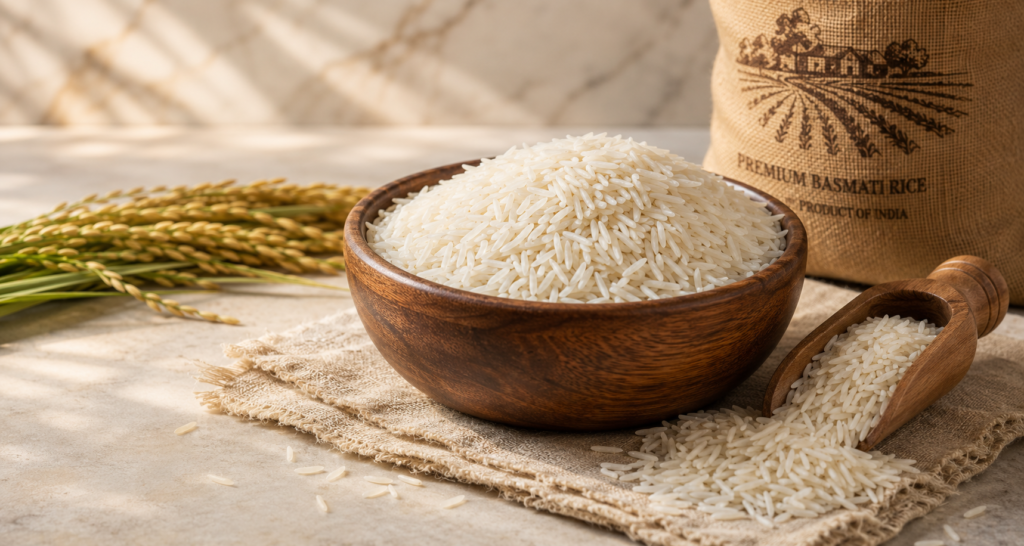
Why is consistency important in the rice industry?
Rice is a staple that you purchase week after week. Even the most novice of cooks will have rice on a weekly basis. If one batch cooks perfectly, and another becomes a clumpy mess, customers will immediately have a lack of trust in the brand and most likely not do business with the rice brand again.
The same is true for a bulk basmati rice supplier in India. Wholesale buyers, restaurants, and international importers buy in large, bulk quantities. They will not do business with a supplier who cannot maintain the same quality of rice in every single shipment.
Consistency maintains the trust, and therefore the business, of a supplier. Many of Waada’s customers have consistently spoken highly of color, length, aroma, and flavor of the basmati rice year after year. This consistency is not by chance. It is in the control of the supplier from seed to shelf.
How do premium suppliers select their basmati rice farms?
The soil is the most important factor when it comes to rice consistency. Basmati has a long grain that is reflective of the soil and climate that basmati is grown in. Basmati is grown on the flat terrain which is ideal due to the soil, water and weather.
Premium suppliers source consistently high quality rice by focusing on reliable terrain. They assess the terrain, soil, and water sources prior to partnering. Maintaining a reliable basmati rice grower is key to a premium supplier’s business.
Being well sourced throughout the process also means guaranteeing consistent rice to the mill before it is sold.
Why are high-quality seed varieties important?
Basmati, unlike other rice varieties, has many cultivars. Each cultivar has unique traits such as grain length, cooking behavior, and the intensity of the aroma. The length and thickness of the grain might change when it’s cooked.
High-quality seed varieties ensure consistency of these traits from season to season. When a seed supplier maintains the same trusted varieties for several years, the rice behaves the same way in the cooking pot. With other seed stock, it’s a total gamble whether or not the rice will ruin consistent results.
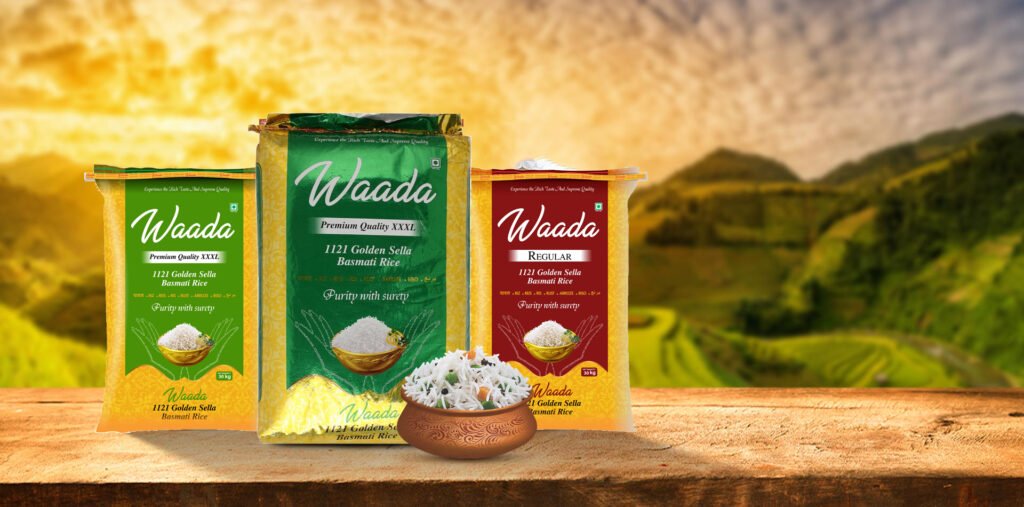
High-quality seed varieties are particularly important for Waada’s Steam Basmati Rice, Golden Sella Basmati Rice, and Zafrani Basmati Rice. A unique variety of seed ensures customers get the desired grain, be it a simple pulao or a complex and flavorful biryani.
What harvesting methods ensure quality of the grain?
Timing is key when rice is harvested. Rice harvested too early is wet and contains immature grains, while rice harvested too late contains dried and broken grains from excessive shattering during the milling process. Both result in poor consistency.
Top suppliers harvest rice at the proper maturity and optimum moisture level. Advanced harvesting equipment minimizes damage to grains and encourages uniform grain removal. Careful handling eliminates the possibility of different grains of uneven maturity.
A well-executed harvest lays the foundation for a successful subsequent process. Even grains of uniform maturity dry and mill easily resulting in consistent grade, a domino effect that begins in the field.
Why is the presence of a drying and storage system crucial to operations?
Rice needs to be dry; yet not too dry. When rice is too wet it starts to spoil and produce mold. Conversely, rice that is too dry will break when processed. Rice needs to be dried to a level that maintains its integrity. This is where a controlled drying system comes into play. These systems bring the rice to the proper moisture level at a consistent rate so as not to dry the outer layers of the rice unevenly.
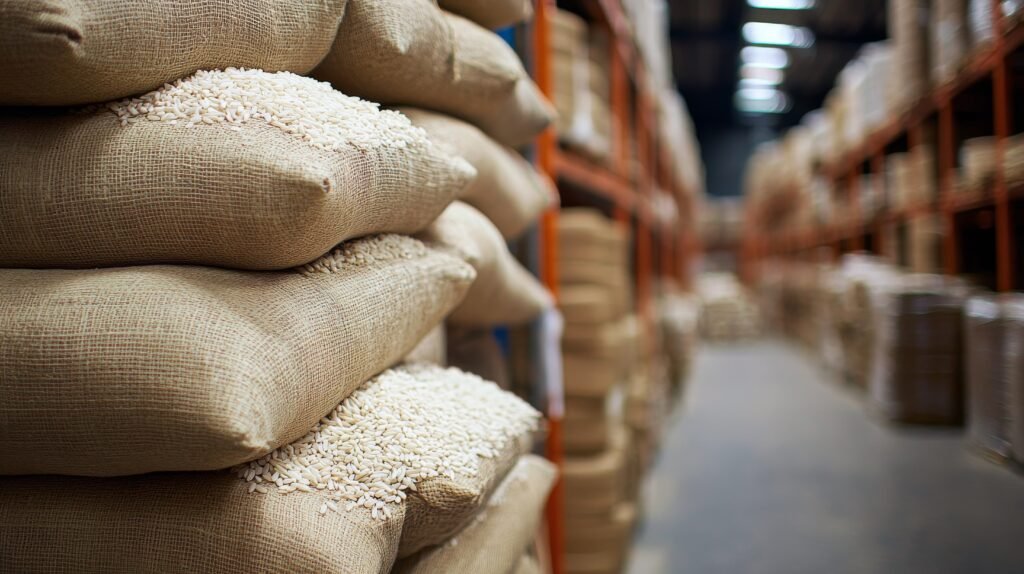
Once the rice is dried to the correct moisture level, proper storage takes over to protect the integrity of the rice. This is usually done by keeping the rice in a climate-controlled facility where the temperature and humidity will be consistent. This type of storage will keep the rice from spoiling.
Waada has developed an advanced drying and storage system, which is a sign of their dedication to being a premium supplier. Quality storage systems mean that the rice supplied to the customer will be the same rice supplied several months later.
How milling technology adds to consistency?
Milling is the process of converting rice from paddy to the rice we know. Poorly performed milling will yield broken rice and inconsistency in appearance and texture. On the other hand, mastery of this process yields a rice that is clean with no broken grains and of consistent texture.
To achieve paddy that is clean, uniform, and consistent in length, mills have opted for advanced technology that uses abrader rolls that gently shave the bran and husk without affecting the length of the grains. With the convenience of automated controls, uniformity is guaranteed as each batch is processed to the same settings. A rigorous de-stoning and polishing stage ensures a clean and uniform final product.
For large basmati rice orders, this level of technology is essential. It enables consistency at a bulk scale.
What methods involve all batches being the same?
Ensuring a consistent product is a method of quality control. Premium suppliers perform rice checks on multiple occasions: when they are still in their raw paddy form, in their post-milled form, and even in their pre-packaged form, instead of checking them only at the end of the process.
These checks look at the length of the grain, moisture content, the presence of any foreign material or broken grains, purity, and the overall aroma. Batch samples that fall short of these parameters are either rejected or sent back for processing. Many suppliers also test for residue left behind by pesticides, as that is of particular importance when dealing with an export market that has a strict food safety policy.
Repeated, rigorous testing is what gives a brand the ability to guarantee quality on a consistent basis. This transforms consistency from something that is hoped for to something that is measurable.

How does aging help with consistency?
When basmati is first harvested, it is not of good quality. It is improved by aging the rice, which often takes several months or even a full year to do. Aging y improves the aroma and cooking time of the rice and even the grains themselves.
Premium suppliers mill and sell aged basmati rice which they have aged under controlled conditions. Aged rice absorbs much less water and has a much better fluffy and elongated texture when cooked as compared to fresh rice. Most importantly, aging rice in a controlled environment will provide consistent results which means each batch has the same quality when cooked.
This is a reflection of the quality focus of a brand. Rushing to sell rice before it is properly aged is a loss of value in what makes premium basmati truly worth the purchase.
How does grading and sorting help create uniform batches?
Even with good farming and milling, grain inconsistency still occurs. Grading and sorting reduce the inconsistency in grains.
Optical sorting machines employ advanced scanning techniques to remove grains that are discolored, broken, or misshapen. Rice is then graded by both length and quality to produce a few predefined grades. Grain packs are now comprised of nearly identical grains.
Customers see the uniformity and appreciate the long even grains that members of the Waada team praised in a review. Graded rice was able to take a heterogeneous crop and create a uniform, valuable crop.
How do standards in packaging keep rice fresh and consistent?
Quality rice can still spoil if it is packaged poorly. Packaging rice consistently means keeping the grain safe until it reaches the consumer.
Most premium suppliers use packaging that meets food and industry standards and has airtight sealing systems to lock out pests, moisture, contamination, and other issues. The sealing systems must also lock in aroma and freshness. Packaging must also use materials that offer protection to the grains during transportation. Professional packaging systems meet all these standards.
Waada’s commitment to progressive packaging is a good example of the last and final part of the rice supply chain, which protects everything downstream in the process.

How does supply chain management help in achieving consistency?
Consistency at every stage of the supply chain ensures that customers get the same quality rice consistently.
Premium suppliers have the ability to track their rice from farm to dispatch, and manage the logistics of storage and transport to avoid delays and ensure the product doesn’t get damaged. With good logistics, it means orders will reach their destination on time and in the same condition each time. For international buyers, it means managing the logistics and the documentation, as well as ensuring food safety and shipping compliance, to prevent a loss of quality of the rice from the mill to the destination port.
A dependable supply chain allows a bulk basmati rice supplier in India to serve wholesale and export customers with confidence, order after order.
How does customer feedback drive continuous improvement?
The best suppliers treat consistency as an ongoing pursuit, not a finished job. Customer feedback fuels that improvement.
Suppliers that listen to their buyers, whether they be home cooks, restaurants, or distributors, are able to identify and resolve issues that are minor but could still negatively impact their business. Feedback on aspects of the rice such as the aroma, the cooking behavior, or the packaging inspires refinements at each step in the process. Waada’s customer-centric philosophy captures this approach while using feedback to continuously set a higher benchmark.
This is the only way a brand can survive. A supplier that acts on what customers say is able to remain as consistent as the expectations of their customers.
Everything in its right place
Inconsistency in product uniformity is intentional and is a sum of particular choices. It includes selection of farms, timing of harvest, careful drying and storage, milling to the correct beginning and end specifications, testing, aging, grading, and delivering the product on time.
Each choice becomes integral to the success of the entire process. Skipping any one choice simply means the brand promise is compromised. Each choice made repays the process by keeping consistent product quality brand promise.
That is the standard Waada Basmati Rice has upheld since 1952, blending three generations of traditions with processing and technology. Choose a supplier who treats consistency as discipline; it ensures quality every time, without exception.
Take a look at our range of Waada Basmati Steam Rice, Waada Golden Sella Basmati Rice and Waada Zafrani Basmati Rice, and experience what full consistency means.