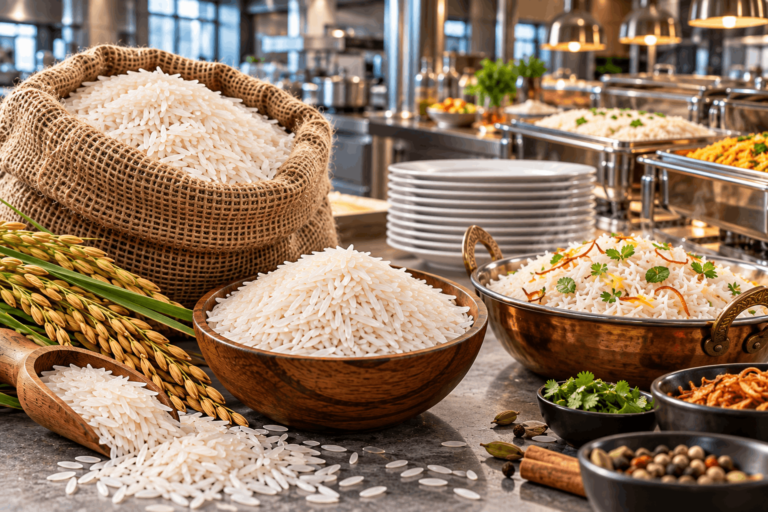
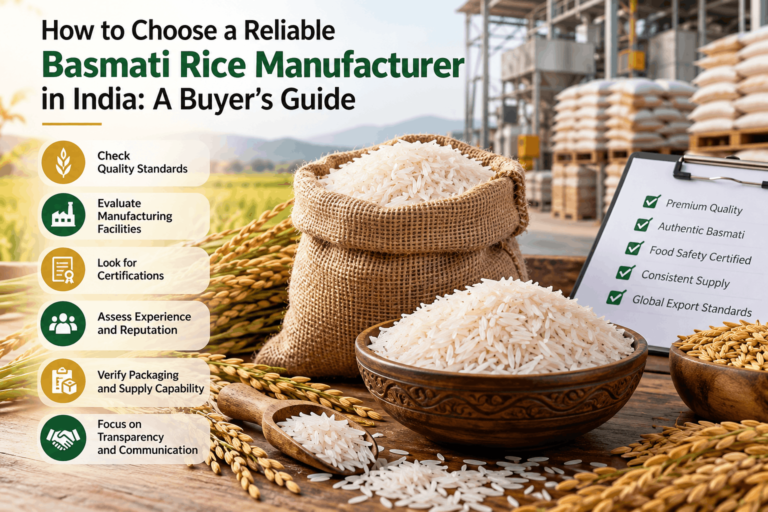
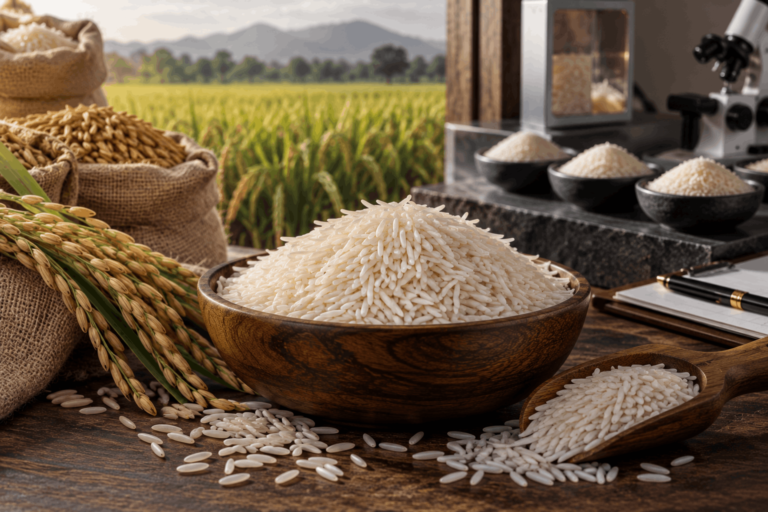
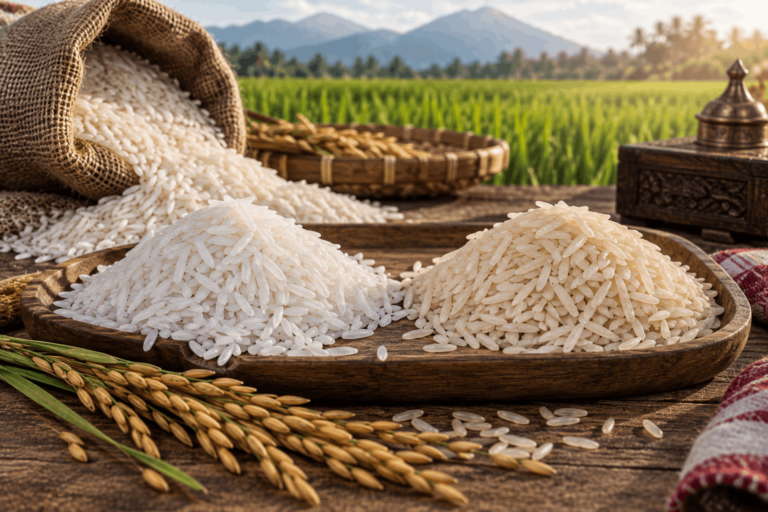
Basmati rice is one of the most popular rice varieties in the world, known for its long grains, rich aroma, fluffy texture, and premium quality. Among the different varieties available in the market, Steam Rice, Sella Rice, and Golden Sella Rice are highly preferred for both domestic consumption and international export.
Although these rice varieties may look similar, they differ in terms of processing methods, color, texture, cooking characteristics, nutritional value, and usage. Understanding the differences between these rice types helps consumers, wholesalers, restaurants, and importers choose the right variety according to their needs.
Today, many global buyers prefer working with a trusted 1121 steam basmati rice supplier and exporters dealing in 1121 Golden Sella basmati rice to ensure premium quality and consistency in every shipment.
What is Steam Basmati Rice?
Steam Basmati Rice is rice that undergoes a steaming process after milling. In this method, the rice is lightly steamed to preserve its natural texture, color, and aroma. The steaming process strengthens the grains and helps reduce breakage during handling and transportation.
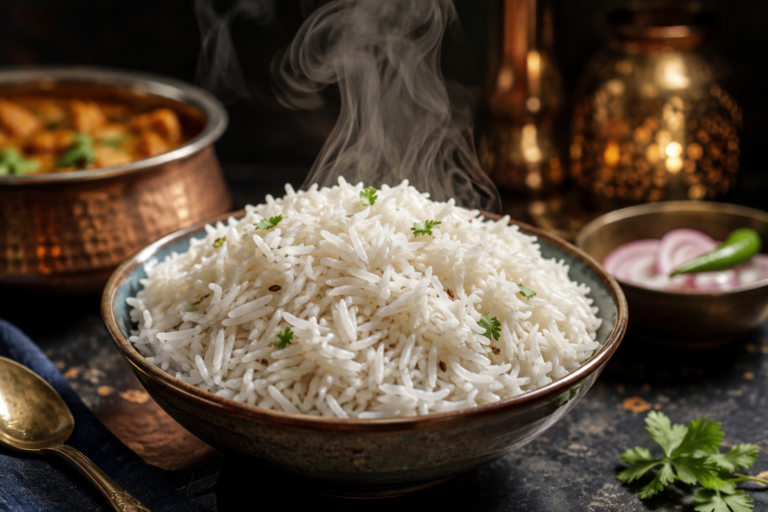
Steam rice maintains a soft white appearance and cooks into fluffy, separate grains. It is considered one of the most premium forms of Basmati rice because it retains the natural taste and fragrance of the grain.
A reliable 1121 steam basmati rice supplier focuses on maintaining proper steaming conditions to preserve the authentic quality of the rice while ensuring long grain length and excellent cooking performance.
Characteristics of Steam Basmati Rice
- Bright white appearance
- Soft and fluffy texture after cooking
- Natural aroma and authentic taste
- Long grain elongation after cooking
- Less sticky compared to ordinary rice
- Ideal for premium dishes and daily meals
Common Uses of Steam Rice
Steam Basmati Rice is widely used in:
- Biryani
- Pulao
- Fried rice
- Daily household meals
- Restaurant preparations
Due to its premium appearance and pleasant aroma, steam rice is highly preferred in hotels, restaurants, and international food industries.
What is Sella Rice?
Sella Rice, also known as Parboiled Rice, goes through a special processing method before milling. In this process, the rice paddy is soaked, steamed, and dried before the outer husk is removed.
This process helps transfer nutrients from the outer layer into the grain, making the rice stronger and slightly more nutritious. Sella rice grains are firmer and less likely to break during cooking.
Compared to steam rice, Sella rice has a slightly off-white or creamy appearance and requires a little more cooking time.
Characteristics of Sella Rice
- Stronger and firmer grains
- Better resistance to breakage
- Slightly cream-colored appearance
- Non-sticky texture after cooking
- Longer shelf life
- Better nutritional retention
Common Uses of Sella Rice
Sella rice is commonly used in:
- Large-scale catering
- Export markets
- Buffet cooking
- Commercial kitchens
- Middle Eastern cuisine
Many rice importers prefer Sella rice because of its durability, cooking stability, and cost-effectiveness.
What is Golden Sella Rice?
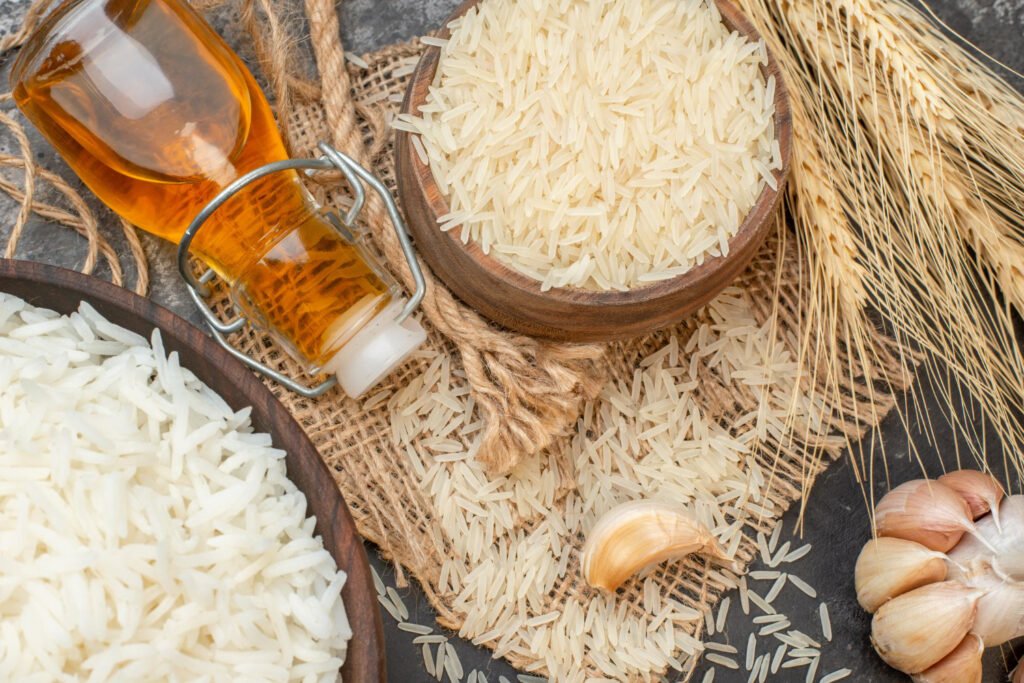
Golden Sella Rice is another form of parboiled Basmati rice, but it undergoes a more intensive parboiling process that gives the grains a golden-yellow color.
This variety is extremely popular in international markets because of its rich appearance, extra-long grains, firm texture, and excellent cooking performance. 1121 golden sella basmati rice is especially known for its remarkable grain elongation after cooking.
Golden Sella rice remains separate and fluffy even after prolonged cooking, making it ideal for large gatherings, catering businesses, and premium rice dishes.
Characteristics of Golden Sella Rice
- Golden-yellow appearance
- Extra-long grain length
- Firm and non-sticky texture
- High nutritional retention
- Excellent grain elongation
- Stronger grains with minimal breakage
Common Uses of Golden Sella Rice
Golden Sella rice is widely used in:
- Biryani preparations
- Catering services
- International exports
- Middle Eastern dishes
- Commercial food production
The premium quality and long grain structure make 1121 golden sella basmati rice highly demanded across global markets.
Major Differences Between Steam, Sella & Golden Sella Rice
1. Processing Method
The biggest difference lies in the processing technique.
- Steam rice is steamed after milling.
- Sella rice is soaked and steamed before milling.
- Golden Sella rice undergoes deeper parboiling, giving it a golden color.
The processing method directly affects texture, color, cooking time, and nutritional value.
2. Color and Appearance
- Steam rice has a bright white appearance.
- Sella rice appears creamy or slightly off-white.
- Golden Sella rice has a golden-yellow shade.
Consumers often choose rice based on visual preference and regional demand.
3. Texture After Cooking
- Steam rice becomes soft and fluffy.
- Sella rice remains firmer and separate.
- Golden Sella rice offers the firmest texture with excellent grain separation.
Golden Sella rice is highly preferred for biryani because the grains remain long and separate after cooking.
4. Cooking Time
Steam rice cooks faster compared to Sella and Golden Sella rice. Since Sella varieties are stronger and harder due to parboiling, they require slightly more cooking time.
5. Nutritional Value
Parboiled rice varieties such as Sella and Golden Sella retain more nutrients because the soaking and steaming process transfers nutrients into the grain before milling.
Steam rice, however, is more appreciated for its aroma and natural taste.
6. Shelf Life
Golden Sella and Sella rice generally have a longer shelf life compared to steam rice because of the parboiling process and lower moisture content.

Which Rice Variety is Best?
The choice between Steam, Sella, and Golden Sella rice depends entirely on personal preference and usage requirements.
- Steam rice is ideal for consumers who prefer soft texture, natural aroma, and premium appearance.
- Sella rice is suitable for daily use, bulk cooking, and commercial kitchens.
- Golden Sella rice is best for biryani, catering services, exports, and premium food businesses.
Importers and wholesalers usually work with an experienced 1121 steam basmati rice supplier to ensure consistent quality and reliable delivery.
Global Demand for Basmati Rice
The demand for premium Basmati rice varieties has increased significantly in international markets. Countries in the Middle East, Europe, North America, and Asia continue to import large quantities of Steam, Sella, and Golden Sella rice.
Among these varieties, 1121 golden sella basmati rice has gained exceptional popularity because of its extra-long grains, appealing appearance, and excellent cooking performance.
Reliable exporters and rice suppliers play an important role in maintaining international quality standards, hygienic packaging, and smooth global distribution.
Conclusion
Steam, Sella, and Golden Sella rice each offer unique qualities that make them suitable for different cooking needs and market preferences. While Steam rice is loved for its softness and aroma, Sella rice provides durability and nutrition, and Golden Sella rice stands out for its premium appearance and grain elongation.
Understanding these differences helps consumers and businesses select the right variety according to their requirements. Whether for household meals, restaurant cooking, or international exports, choosing a trusted 1121 steam basmati rice supplier ensures consistent quality and authentic taste.
With growing global demand, premium varieties like 1121 golden sella basmati rice continue to dominate international rice markets because of their superior texture, aroma, and cooking performance.