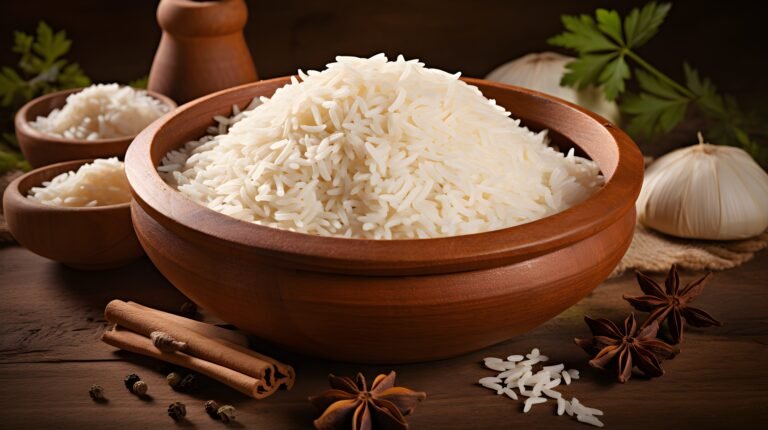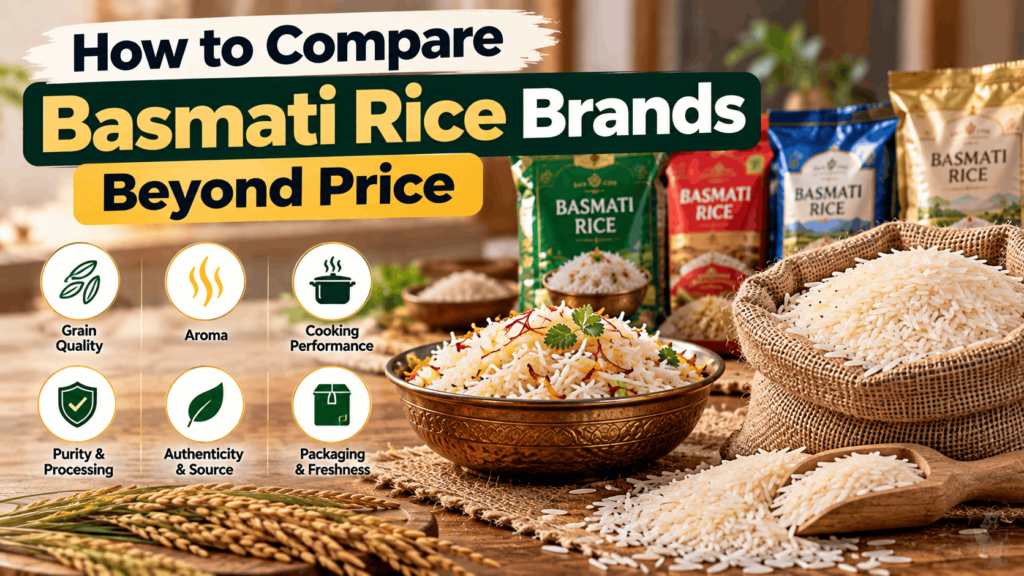
Price tells you very little about what you’re actually buying. Two bags of basmati rice can sit side by side on a shelf at nearly the same cost, yet differ enormously in grain quality, aroath, and cooking performance. For bulk buyers, retailers, and exporters, that difference shows up in customer complaints, wasted stock, and damaged reputations — not just on the dinner plate.
Choosing a basmati rice brand on price alone is a short-term decision with long-term consequences. This guide breaks down the factors that actually separate a reliable basmati rice brand from an average one, so you can make a sourcing decision built on substance, not just the number on the invoice.
What to Look for in a Basmati Rice Brand
Grain Quality and Variety
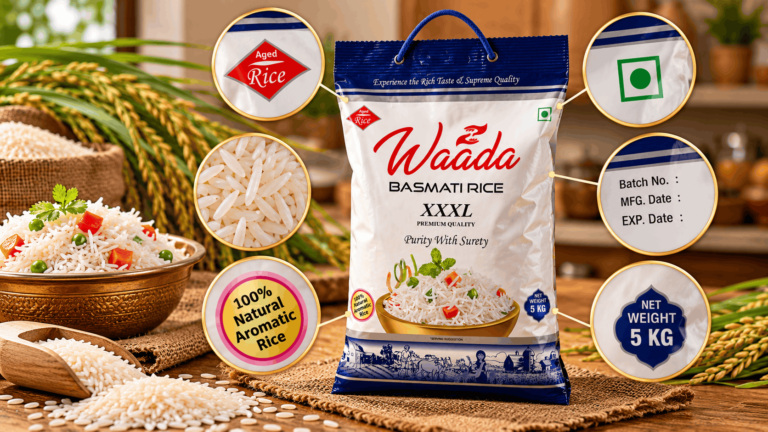
Basmati rice is not one single product. It spans several distinct varieties — including 1121 White Basmati Rice, 1121 Golden Sella Basmati Rice, and XXXL Basmati Rice — each suited to different culinary and commercial needs. A brand that offers a clear, well-defined range signals that it understands these distinctions, rather than selling a generic blend under a basmati label.
Processing Method
How rice is processed shapes its texture, cooking time, and shelf stability. Raw rice, steamed rice, and sella (parboiled) rice each behave differently in the pot. Buyers who understand these differences can match the right variety to the right use case, whether that’s a restaurant kitchen, a retail shelf, or an export order.
Sourcing and Origin
Where the paddy is grown and how it is procured has a direct bearing on grain quality. Basmati rice sourced from established growing regions, with proper aging and milling practices, tends to deliver more consistent results than rice sourced opportunistically from mixed suppliers.
Consistency for Bulk Buyers
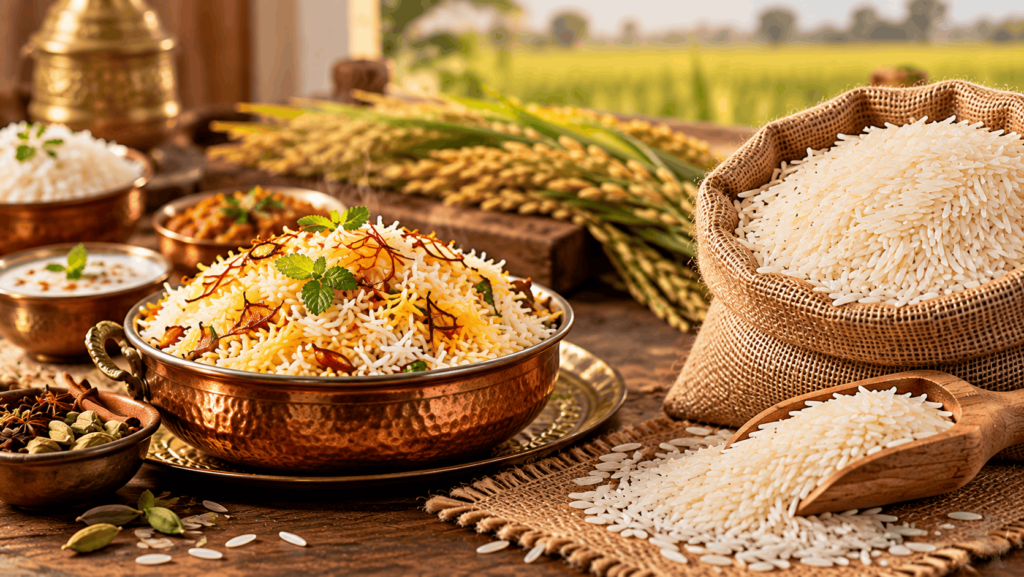
For bulk and commercial buyers, consistency matters more than almost any other factor. A basmati rice brand that delivers the same grain length, aroma, and cooking behaviour batch after batch reduces the risk of customer complaints and reorders caused by inconsistent stock.
Key Comparison Factors
Grain Length and Elongation
One of the defining traits of genuine basmati rice is its grain elongation after cooking. High-quality basmati grains extend significantly in length while staying slender, rather than becoming sticky or clumped. Varieties like Long Grain White Basmati Rice are valued specifically for this trait, which affects both plate presentation and perceived quality.
Aroma and Flavour
Aroma is one of the clearest markers separating true basmati rice from rice simply labelled as basmati. A natural, fragrant aroma that develops during cooking — without added scents or flavourings — is a strong indicator of authentic grain quality and proper ageing.
Packaging and Shelf Life
Packaging affects more than shelf appeal. Moisture control, sealing quality, and storage conditions all influence how well rice holds its aroma and texture over time. For buyers managing inventory across weeks or months, packaging that protects the grain is as important as the grain itself.
Supplier Reliability
Supply consistency is often overlooked until it becomes a problem. A dependable basmati rice brand should be able to fulfil orders on schedule, maintain consistent quality across shipments, and communicate clearly when issues arise. This reliability is particularly critical for buyers managing retail shelves or food service operations where stockouts carry a direct cost.
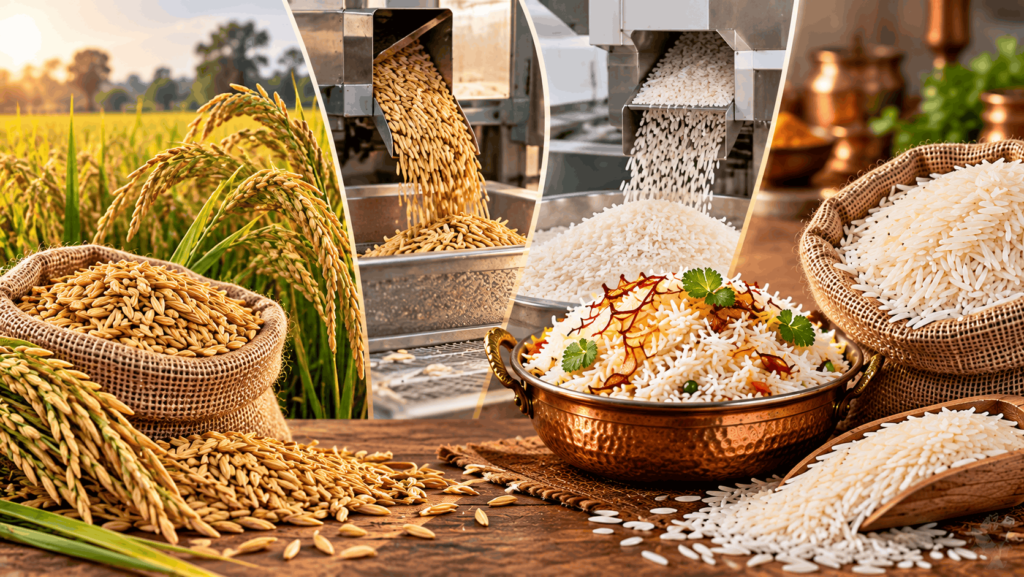
Why Processing Method Matters
Processing method deserves its own consideration because it changes how rice performs in the kitchen. Steamed basmati rice, such as 1121 Steam Basmati Rice, tends to hold its shape well during cooking and is often preferred for dishes requiring separate, non-sticky grains, like biryanis and pulao. Sella or parboiled rice, by contrast, undergoes a partial boiling process before milling, which locks in nutrients and gives the grain added firmness.
Buyers who choose a processing method without understanding its effect on cooking outcomes often end up with rice that doesn’t match their intended use. A brand that documents and explains its processing methods — rather than leaving buyers to guess — gives purchasers the information needed to match product to purpose.
Choosing a Premium Basmati Rice Supplier
When comparing a premium basmati rice supplier, look past the price list and examine the full picture: grain variety range, processing transparency, sourcing practices, packaging standards, and delivery reliability. A supplier that can speak clearly to each of these areas is generally better positioned to support long-term buyers than one competing purely on cost.
Waada is one example of a basmati rice brand built around this broader range, offering varieties including Black Berry Basmati Rice alongside its white, golden sella, and steamed options. Reviewing a brand’s full product range and background, such as through an About page, can offer useful context before making a bulk purchase decision.

Making a More Informed Choice
Basmati rice is a product where the details matter — grain length, aroma, processing, and consistency all shape the final result on the plate. Buyers who look beyond price and examine these factors are far better placed to choose a brand that meets their actual needs, whether for a household kitchen, a restaurant, or a bulk retail order.
Before placing your next order, take the time to compare these factors across the brands you’re considering. If you have specific requirements or questions about sourcing in bulk, reaching out directly through a supplier’s Contact Us page is often the fastest way to get clarity.