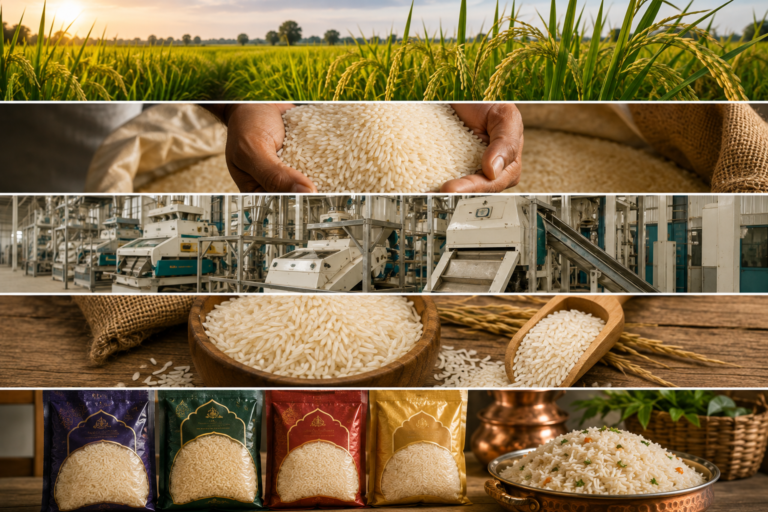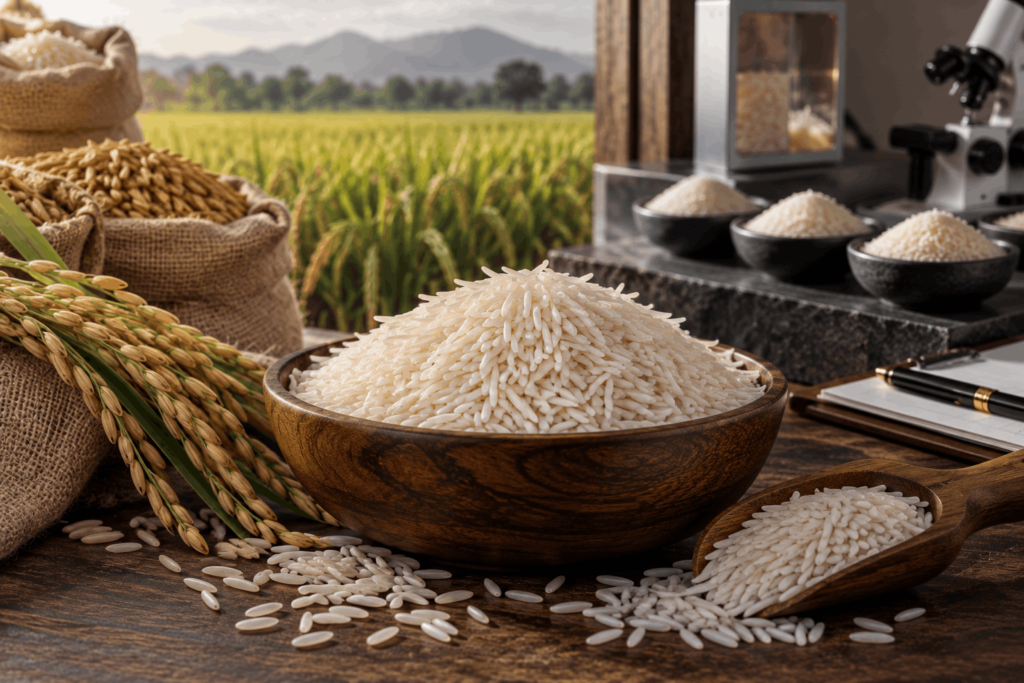
Waada Basmati Rice began operations in 1952 under its parent company, Gian Chand Dina Nath (GCDN) based in Delhi. With three generations of experience in milling and processing, Waada has consistently served the needs of bulk buyers in the wholesale, retail, and hospitality sectors with its Steam, Golden Sella, and Zafrani Basmati Rice varieties.
Basmati rice is lauded the world over for its long, aromatic grains and unique ability to separate without sticking together. Sadly, not all suppliers honor that reputation. When it comes to food distributors, grocery stores, or restaurants, what matters is not just the basmati rice itself, but the supplier. The process behind the basmati rice, how the paddy is sourced and milled, and how committed the supplier is to refining that process over the years makes all the difference.
Legacy, in this case, is crucial. With mills and packaging across three generations, a rice supplier has likely adapted to trade (and quality) fluctuations, and the constant evolution of new milling techniques. That is usually reflected in the quality of the product.
What Makes a Basmati Rice Supplier “Premium”?
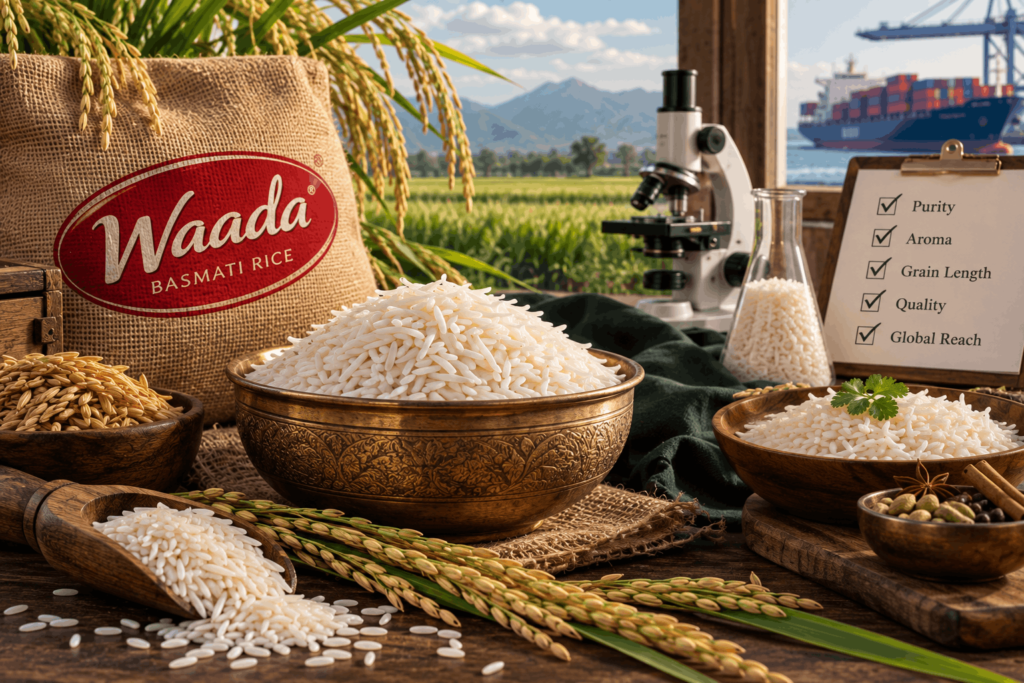
The overuse of the word “premium” in the rice market can lead to confusion for customers who are new to it. However, the difference between suppliers who deserve this label and those who do not is quite clear.
Premium suppliers have uniformity when it comes to grain length, color, and moisture. This also helps standardize the look and taste for clients who own commercial kitchens or who are in the business of mass packaging of rice.
When it comes to basmati, processing methods also affect quality. The method of steaming, parboiling and milling all have an effect on the texture of the rice as well as aroma and how long it stays fresh.
Waada Basmati Rice’s parent entity, Gian Chand Dina Nath (GCDN), has been operating in the rice trade since 1952, giving the business three generations of accumulated knowledge in sourcing and processing basmati rice from Delhi, India.
How Rice Processing Methods Shape Quality: Steam, Sella, and Zafrani Explained
There are many methods to process rice, and each has its own impact on texture and color as well as how it behaves when it is cooked. Buyers are especially interested in the method of processing used in production as it affects whether or not the rice is appropriate for their individual retail, restaurant or private brands.
The outer husk is removed from basmati rice after it is steamed. During the steaming process, nutrients from the husk are absorbed by the rice, and the rice becomes pre-gelatinized, which causes the rice to become long and fluffy when cooked. This process is ideal for traditional dishes such as biryani, where it is necessary to have individual grains of rice.
Golden Sella rice is steamed before the milling process, which turns the rice a golden, translucent color, and helps to push nutrients into the rice. This method also produces rice with a firm texture that contains its shape during long periods of cooking, which is why it is very popular among caterers and restaurant kitchens with high volumes of orders.
Zafrani basmati rice is the third type of rice processing offered by Waada. This type of rice is ideal for buyers who want variety in their selection of rice.
What Should Buyers Consider Before Choosing a Bulk Basmati Rice Supplier in India?
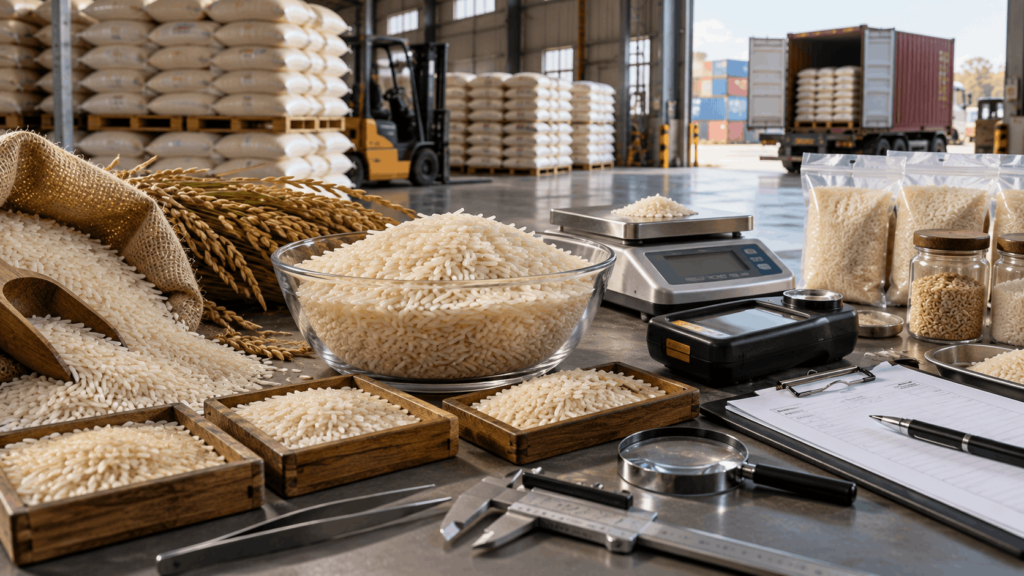
Consider more than just the price per kg. The most important factors may not be the most obvious.
- Packaging flexibility: The bulk buyer needs a lot of flexibility in packaging. Bulk Basmati Rice Suppliers usually offer the packaging in one size, 30 kg, for example. However, some retailers need smaller packaging of 5 kg. Waada offers various flexibility in packaging with sizes available for bulk packing as well as retail packing to choose from.
- Consistent supply: Both the retailers and restaurants need the basmati rice consistently and expect the quality to be the same every time they order.
- Private label support: Private label manufacturers need the packaging and branding, as well as quality of grain, to meet their requirements.
- High order fulfilment: Suppliers who meet your needs in bulk orders should be preferred, rather than those who offer a discount once.
One big trend among the best peers of Basmati rice is that the brands who are transparent with their sourcing and processing are becoming more attractive, and not just the brands which are popular. Also, the customers (distributors or retailers) ask specific questions about the processing and aging of grains before ordering/contracting for long periods of time. In the food industry, it’s more important to have verifiable quality claims rather than just general statements.
Most recently, hospitality suppliers are more discerning in their selection of service providers. Many companies are evaluating their suppliers based on cooking performance (elongation, fragrance, and texture). This new market condition rewards suppliers who have the ability to maintain consistent standards over time instead of just undercutting the competition on pricing.
Where Waada Basmati Rice Fits Into the Picture
Waada Basmati Rice has the potential to disrupt the market. The company was founded more than 70 years ago, prior to the establishment of the majority of the companies in the industry. As a processing company of Gian Chand Dina Nath, since 1952, the company has dedicated itself to refining its line of rice, including Steam, Golden Sella, and Zafrani Basmati Rice.
Waada Basmati Rice is a trusted supplier of wholesalers and retailers. The company specializes in large volume orders and offers a variety of packing options, making it a convenient supplier for companies of a variety of sizes.

The Bottom Line for Buyers
When retailers and suppliers procure basmati rice, the transaction price per unit is not the only deal breaker. The quality of the grains is of highest priority. For retailers looking to form a long term, supply partnership with suppliers, the grains should be of consistent high quality. When preparing to procure large volumes, take the opportunity to engage suppliers in a conversation to learn about their processing and sourcing.